
A Forex license is an official authorization confirming that the applicant meets all necessary requirements and is permitted to provide services related to trading in foreign exchange markets. Regulatory authorities in each jurisdiction establish their own licensing criteria.
Upon obtaining this authorization, Forex license holders are subject to ongoing regulatory oversight. This helps prevent fraud and unethical practices, ensures market stability, and safeguards the interests of traders and investors.
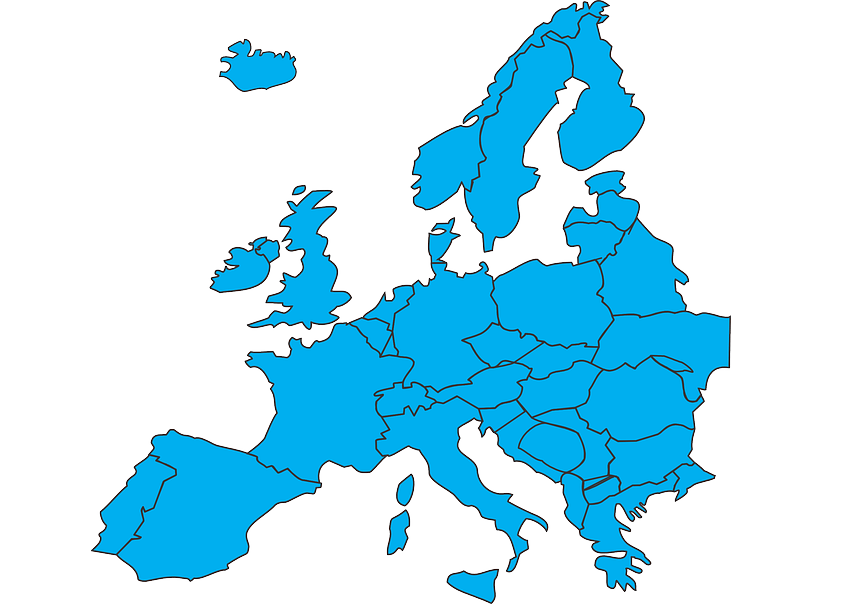
A European Forex license is essential for companies intending to offer services directly within the European Union. Financial authorities in various jurisdictions issue these licenses, conduct audits, and ensure the legal operation of brokerage firms.
Having a Forex license grants businesses the right to operate safely in the forex market, increasing the trust of traders and investors. Conversely, the absence of such a license is a red flag, suggesting a company may not be trustworthy.
Benefits of Holding a European Forex License
The main advantage of obtaining a Forex license in European countries is that the legislation allows such companies to enter the markets of other European Union member jurisdictions through a simplified procedure. Therefore, all companies with European Forex licenses gain significant opportunities for expanding their activities.
The possession of a European Forex license includes numerous advantages for the companies holding it. These include the ability to actively market their services to clients in the EU and the relatively simple process of opening a corporate account for Forex operations in almost any European bank.
Access to EU Financial Markets
A European Forex license grants access to the EU financial market, one of the largest and most liquid markets globally.
Enhanced Reputation and Trust
A Forex license obtained in Europe is a mark of quality and reliability, enhancing trust among clients and business partners.
Regulatory Supervision and Consumer Protection
Clients in the European Union prefer working with companies regulated within Europe due to stricter financial stability requirements (e.g., minimum capital and license fees) and robust data and fund protection systems.
Forex Trading Regulations for the European Market
The activities of Forex brokers are regulated by specific authorities, which may include local government bodies or independent international financial commissions.
Regulatory bodies perform three primary functions:
- Issuing Forex licenses.
- Monitoring brokers’ compliance with licensing requirements and ensuring legal operations.
- Protecting traders and investors, including investigating complaints against brokers.
Regulators can revoke licenses in cases of severe legal violations.
A license issued by a local regulator limits a broker’s activities to the respective jurisdiction. Traders and investors from other countries cannot expect assistance or protection from the regulator.
In some countries, Forex brokers are not required to have a license and may legally operate as financial service providers without regulatory oversight. However, such brokers often lack official guarantees for EU traders and investors.
Key European Regulatory Bodies for Forex Licensing:
- Financial Conduct Authority (FCA) in the United Kingdom – known for its stringent standards.
- Cyprus Securities and Exchange Commission (CySEC) – the regulatory authority in Cyprus.
- Malta Financial Services Authority (MFSA) – Malta’s financial regulator.
- Estonian Financial Supervision and Resolution Authority (EFSA) – Estonia’s financial supervision body.
There is a general list of requirements that every company planning to obtain a European Forex license must meet.
These include:
- Maintaining a minimum authorized capital, which can vary significantly depending on the jurisdiction.
- Implementing security measures in compliance with international and national legislation.
- Adopting Anti-Money Laundering (AML) and Combating the Financing of Terrorism (CFT) protocols, as well as Know Your Customer (KYC) policies.
- Establishing separate bank accounts for each client to segregate their funds from the company’s operational funds.
All key personnel (including directors and owners) must possess professional qualifications and maintain an impeccable reputation (e.g., no criminal record).
Key European Forex License Jurisdictions
There are four most promising jurisdictions for establishing a broker company in the Forex market in Europe. These include the United Kingdom, Malta, Estonia, and the Republic of Cyprus.
Although all four jurisdictions reliably regulate the Forex sector, they differ significantly in terms of licensing costs and the complexity of obtaining approval. Each jurisdiction offers unique advantages for businesses.
For instance, the UK’s FCA is the leader in prestige but requires a substantial budget, while Cyprus strikes a balance between stringent regulations and tax efficiency within the EU single market. Therefore, for brokers prioritizing cost savings, Cyprus remains the best choice.
United Kingdom
The strict yet fair regulatory framework established by the UK’s primary regulator, the Financial Conduct Authority (FCA), ensures a high level of investor protection while supporting the stability and efficiency of the Forex financial market.
An FCA license holds significant global influence, allowing brokers to leverage privileges and operate freely across Europe. FCA-regulated brokers gain access to the vast Eurobond market for high liquidity and risk management. Additionally, extensive tax benefits (such as low corporate taxes) attract international businesses.
To begin Forex operations in the UK, it is necessary to first complete company registration in England. Next, an FCA license must be obtained — this is a hallmark of quality and reliability, granting access to one of the largest and most developed markets in the world.
Order a consultation
The time required to acquire an FCA license depends on the specifics of the applicant’s business model and the completeness and quality of the submitted documentation.
Cyprus
Cyprus’s favorable tax policy (a low corporate tax rate of 12.5%) has made it one of the leading financial hubs for Forex companies in Europe. The island’s strategic location and attractive regulatory environment are also key advantages.
Cyprus is preferred by businesses due to the absence of capital gains tax and the low initial compliance costs compared to other European Union member states.
The Cypriot regulator, CySEC, ensures compliance with international standards in financial services as a member of the European Securities and Markets Authority (ESMA) and adheres to EU directives.
CySEC is also responsible for overseeing organizations that provide investment and other financial services in Cyprus. Meeting the required standards not only protects investor interests but also builds a strong reputation for Forex brokers.
Operating in the Forex market on the island requires company registration in Cyprus. After establishing a legal entity, a licensing application must be submitted with the prepared documentation to the regulatory body, CySEC.
Malta
Malta, as a member of the European Union, operates under EU standards. Before obtaining a Forex license in this jurisdiction, it is necessary to open a company in Malta.
One of the mandatory conditions for licensing in Malta is that the company must have a registered office within the country.
A brokerage license obtained in Malta enables the provision of financial services across Europe due to the global recognition of the jurisdiction’s regulatory authority.
The MFSA conducts a thorough review of every company applying for a license.
The regulator meticulously analyzes:
- business processes;
- tools used for trading;
- the financial solvency of beneficiaries and their confidential information.
After acquiring a Forex license in this jurisdiction, a company gains the ability to conduct business in a country with a highly developed economy and a relatively favorable tax environment.
Estonia
The legal environment in Estonia for Forex brokers is attractive because the country is known for its transparent regulatory policies. The jurisdiction’s openness to international business benefits many foreign companies wishing to operate in the Forex market.
The EFSA in Estonia is responsible for regulating financial markets, including Forex. It supervises license holders to ensure compliance with both local and European laws and standards.
Obtaining permission to conduct business in Forex is possible only after the official company registration in Estonia. After that, an application for licensing, along with collected documentation, including confidential information about directors and owners, is submitted to the EFSA. The processing time depends on the completeness of the document package.
Types of Forex Licenses in Europe
Depending on the broker’s specific activities and business focus, Forex licenses can vary as follows.
Retail Forex License
Retail brokers on Forex assist traders in opening trading accounts and allow them to trade online via trading platforms.
Institutional Forex License
Institutional trading involves large-scale transactions carried out by various financial institutions. Such operations require platforms capable of handling the complexities of these deals.
Cross-Border Forex Licensing
Cross-border trading (operating in multiple jurisdictions) in Forex is becoming popular due to market globalization. It offers significant opportunities for companies looking to expand their operations.
Requirements for Obtaining a European Forex License
To obtain a Forex license in Europe, a company must meet a number of requirements.
Minimum Capital Requirements
The minimum capital depends on the type of license and can range from €50,000 to €730,000. For example, the minimum capital for market makers in the UK may be €730,000, while brokers in Cyprus acting as intermediaries may only need €125,000.
Documentation for Forex License Application
To obtain a Forex license, an official application must be submitted to the regulatory authority of the chosen jurisdiction, along with the following notarized documents:
- Founding documents of the organization.
- A long-term and detailed business plan that includes the company’s structure, planned operations, target market, financial forecasts, risk analysis, and strategies for mitigation, as well as compliance with AML/CFT measures.
- Documents of key employees, directors, shareholders, and other important staff members (copies of passports, diplomas, criminal record certificates), as well as confidential information about the beneficiaries.
- Documentary proof of the company’s financial state (balance sheet, bank account statements, etc.).
- Compliance with KYC procedures.
- A risk monitoring and management system.
Proof of residency may be required for directors, shareholders, or key employees, depending on the jurisdiction.
Financial Stability and Compliance Standards
Applicants must have sufficient capital to provide financial guarantees to their clients. Additionally, they must have an impeccable business reputation and must not be involved in fraud or other illegal activities.
Order a consultation
Applicants are also required to comply with all data protection and client fund safety regulations set by national regulators and international organizations.
Required Capital for Establishing a Forex Brokerage Firm
Establishing a Forex brokerage firm requires not only extensive knowledge of the financial market and technologies but also significant capital investment. This is especially true in most European countries, where regulatory mechanisms are quite strict.
The required capital is usually set by the jurisdiction itself. Regardless of the specific requirements, the cost of setting up a brokerage company is quite high. It is advisable to ensure that you have sufficient funds to cover all operational expenses and calculate the necessary capital for the first year of operation.
Steps to Obtain a Forex License in Europe
Obtaining a Forex license in European countries involves preparing and submitting documents along with an official application to the regulatory authority of the chosen jurisdiction. The time required to complete the process can range from six to twelve months, depending on the regulator and the completeness of the submitted documentation.
Registration of a Legal Entity
Once you have decided which country to obtain a Forex license in, familiarize yourself with the jurisdiction’s requirements for capital, reporting, and other matters. Then, choose the appropriate organizational structure and register the legal entity.
You will need to prepare a detailed business plan and long-term financial forecasts for the company’s activities, as well as open accounts (corporate and trading) and integrate the company’s application with payment systems.
Submission of Application and Fees
The application for a Forex license must be submitted to the relevant regulator, along with a package of documents including the company’s founding documents, details of key employees and management, and more. It is important to ensure that the company meets all conditions regarding client security and protection (AML/CFT and KYC).
During the review process, the regulator may request additional or extended data.
Evaluation and Due Diligence
Due diligence is an important process for Forex brokers, which involves a thorough review of the potential investment’s aspects (financial, legal, tax, market, and technological). It helps traders and investors make informed decisions while identifying potential risks and benefits.
Why You Should Contact Lawrange
The legal team at Lawrange provides full legal support and guidance when obtaining a Forex license in European countries. Our specialists are up-to-date with the latest legislative changes in each specific country.
We offer services in:
- choosing the appropriate jurisdiction;
- company registration and opening bank accounts;
- preparing documentation and submitting official applications for Forex licenses;
- ensuring compliance with legal obligations;
- preparing and implementing AML/CFT measures and KYC procedures;
- developing risk mitigation strategies, and more.
Our main advantage is significant experience with Forex licenses and knowledge of the associated legal regulations.
Our specialists:
- continuously deepen their knowledge to provide quality services;
- work exclusively toward positive results;
- provide only necessary services to achieve the set goal;
- are in constant contact with our clients.
We tailor solutions and strategies to each specific business model. The cost of Lawrange’s services is agreed upon in advance and remains unchanged throughout the process.
To learn more about the registration procedure, state fees, and other licensing-related matters in Europe, contact the specialists at Lawrange for consultation.
Conclusion
Forex market regulation in Europe aims to create a safe and transparent environment for traders. To protect investors, the European Union has implemented strict licensing policies, high capital requirements, and qualifications for key personnel.
The process of obtaining a Forex license in European countries requires significant time and financial investments. It is important to note that failure to meet any regulatory conditions may result in legal consequences or even refusal to issue a license. New brokerage firms must adhere to all regulatory requirements, as failure to do so could result in the withdrawal of licenses by the regulator.
Engaging experienced legal professionals who provide full support in obtaining a Forex broker license is a strategically sound decision. These services will help you obtain a Forex license and start operations in the European Union in the shortest possible time.
FAQ
What documents are needed to apply for a Forex license in Europe?
Notarized company founding documents, a detailed business plan, proof of compliance with security and data protection requirements, as well as individual documents for founders, beneficiaries, and key employees (passports, diplomas, criminal record certificates). Also, confirmation of the minimum capital is required.
How much does it cost to get a Forex license in Europe?
The cost of licensing depends on the chosen jurisdiction. For detailed information, please contact a manager at Lawrange.
What are the tax implications for Forex brokers in Europe?
Like any other form of trading or investment activity, profits earned from foreign exchange trading in the Forex market are taxable. It’s worth noting that the tax regime for Forex brokers differs depending on the jurisdiction and the type of business entity.
For a detailed consultation, contact our lawyer, who can answer your questions regarding Forex brokerage taxation in a specific European jurisdiction.
ORDER A FOREX LICENSE IN EUROPE
 Telegram bot for quick communication with us