Are you starting a business in the field of virtual assets and choosing a jurisdiction to obtain the relevant license? Consider the developing countries of Latin America. There is a clear interest in blockchain technology and cryptocurrencies. The state imposes rather soft requirements and actively supports the implementation of innovations.
In this material, we will discuss in detail how to obtain a Latin America crypto license. Discover the key advantages of this step, the requirements for licensees, and the stages you will need to go through to conduct legal activities in the region.
Why Get a Cryptocurrency License in Latin America?
A Latin America Cryptocurrency License provides its holders with a number of advantages:
1. Legal recognition and authority. Licensing in Latin American countries automatically makes a company legal and shows that the entrepreneur respects local policies and regulations. This enhances its authority and builds trust among investors and partners.
Furthermore, obtaining a license ensures that all your operations are in compliance with the law. This minimizes legal risks.
2. Access to local markets. If your business goals include expanding your presence, this region is an excellent choice. Latin America has many countries with high levels of cryptocurrency adoption. And a Latam crypto license allows you to operate in each of them.
In this context, it’s worth mentioning another advantage. Some countries in the region allow cross-border cryptocurrency operations, including Mexico and Brazil.
3. Clear regulation. The region has regulatory frameworks that allow entrepreneurs to operate according to the law. By obtaining a crypto license in Latin America, you will know exactly which activities are permissible and which are prohibited.
4. Business security and service consumption. The clear legal framework mentioned above can be seen as a guarantee of safety and effective risk management.
Also, providers in Latin America are required to comply with AML policies and conduct KYC checks. Therefore, it can be confidently said that investors and users are securely protected here.
5. Access to banking services. Many banks exercise caution when it comes to cryptocurrency projects. Having a Latin America Crypto License increases trust in such companies and removes barriers to cooperation.
Moreover, it will be easier for you to build partnerships with traditional financial institutions, such as banks and payment systems.
6. Government support and stability. By obtaining a crypto license in Latin America, you can count on government support. Some countries offer crypto entrepreneurs tax benefits, grants, and other incentives for business development.
We have discussed the general advantages of licensing in Latin America. But how do you choose a specific country in this region?
Regulatory Landscape for Crypto Licensing in Latin America
One of the key factors when choosing a country for running a crypto business is the presence of an adequate regulatory framework. The legitimacy of the company’s operations and the security of all involved parties depend on this.
Argentina
Until 2024, the activities of cryptocurrency companies in Argentina were almost unregulated. The National Securities Commission (CNV) maintained a rather lenient policy towards virtual asset service providers (VASP). They were not required to register their activities or comply with securities laws.
However, in March 2024, the situation changed. That was when Law No. 27,739 was passed to prevent money laundering and terrorist financing. Importantly, it introduced a separate category for VASPs.
The next step in the development of Argentina’s regulatory framework was the adoption of Decree No. 994. It mandates the compulsory registration of providers.
Brazil
Brazil also started regulating the cryptocurrency business relatively recently. A law concerning virtual assets was passed only in 2022. It came into force in 2023, and since then, all VASPs have been required to comply with internationally recognized regulatory principles.
Among other things, entrepreneurs must implement measures to prevent money laundering and other illegal activities. To achieve this, a rule was introduced requiring the reporting of suspicious transactions to local authorities. These include the Financial Activities Control Council (COAF) and the Securities and Exchange Commission (CVM).
El Salvador
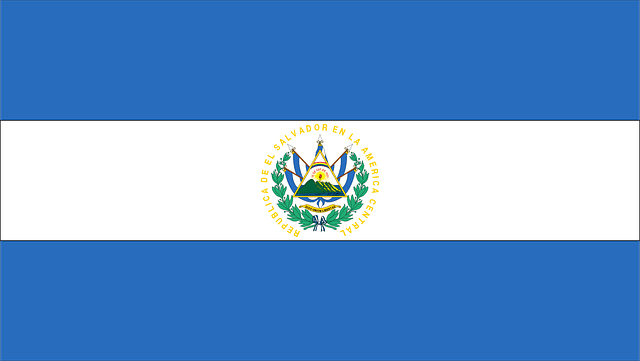
This country is recognized as one of the most favorable jurisdictions for crypto business in Latin America. Since 2021, the Bitcoin Law has been in effect, which classifies virtual money as legal tender. This law became the foundation of El Salvador’s regulatory framework for cryptocurrencies.
This was followed by the creation of a separate regulator for VASP activities: The National Commission of Digital Assets (CNAD). As in many other countries, compliance with AML and KYC regulations is among the key requirements.
Panama
Panama regularly updates its financial legislation to align with the progressive needs of businesses. The country develops and adopts laws and regulations that promote transparency and security in the virtual assets sector. For example, in 2021, a Digital Securities Bill was passed, which includes recommendations for crypto businesses.
Therefore, by opening a Company in Panama, you can be confident in the legality of your business.
Venezuela
Until 2018, the government of Venezuela did not recognize digital coins as legal tender. However, everything has changed since then. The country now has the Superintendence of Crypto-Assets and Related Activities of Venezuela (SUPCACVEN) — a government agency responsible for regulating, overseeing, and protecting virtual currencies.
Order a consultation
Currently, the level of cryptocurrency adoption in this jurisdiction continues to grow. Bitcoin and other digital coins are used as protection against hyperinflation, and the government has even issued its own virtual currency — Petro.
Mexico
Laws regulating cryptocurrency activities were introduced in Mexico as early as 2018. These included the “Fintech Law” and the “Anti-Money Laundering Law.” These laws were the first to outline the rules for conducting operations with virtual assets, including the mandatory compliance with AML and KYC policies.
In 2023, the National Code of Civil and Family Procedures introduced official definitions for the concepts of blockchain and the metaverse.
As you can see, the regulatory framework for cryptocurrencies in many Latin American countries is actively evolving. This makes the region highly promising for businesses in this industry.
Key Requirements for Obtaining a Cryptocurrency License in Latin America
To obtain a crypto license in Latin America, an entrepreneur must fulfill several requirements. This ensures compliance with both local and international regulations.
Establishing a Legal Entity and Corporate Structure
Before obtaining a license to operate a crypto business in Latin America, an entrepreneur must register a legal entity in the country where they plan to operate. Most countries require a local presence, meaning a physical office or a registered agent.
To register, the entrepreneur must choose a legal business structure (e.g., a Limited Liability Company (LLC) or a corporation) and apply to the appropriate government authority.
Ensuring Compliance with AML and KYC Standards
This step is necessary to prevent illegal activities such as money laundering and terrorist financing. Crypto companies are required to:
- Develop an AML Policy. This document must outline procedures for monitoring and detecting suspicious transactions, as well as conducting thorough client due diligence.
- Establish KYC Structures. Companies operating in the virtual assets sector must verify the identity of their clients to ensure they are not engaged in illegal activities.
- Monitor Transactions and Submit Reports. Providers must go beyond the initial client verification by continuously monitoring transactions. In some countries, they are also required to report suspicious activities to local financial authorities.
Developing an Operational Plan for Crypto Activities
To obtain a license, crypto companies must submit a detailed operational plan to the relevant authorities. Typically, this document includes:
- Business Model. The company must specify whether it will operate as a cryptocurrency exchange, wallet service, or provide other crypto-related services.
- Technological Infrastructure. The plan must clearly describe the technologies that will be used, including security protocols, blockchain networks, and other technical aspects.
- Risk Management. Since the cryptocurrency industry is high-risk, companies must provide a comprehensive plan to identify, mitigate, and eliminate financial and operational risks. These include market volatility, cyber threats, and fraud.
Drafting and Submitting Legal Documentation
To obtain a crypto license in Latin America, businesses must prepare and submit the following documents:
- Proof of Business Registration. This includes founding documents, a tax identification number, and other necessary records.
- AML/KYC Policies. These documents must detail the measures taken to verify client identities and monitor suspicious transactions.
- Risk Management Procedures. Regulators must be assured that the company can effectively handle potential risks.
Process for Acquiring a Crypto License in Latin America
Obtaining a Latam crypto license involves five key steps.
Choosing a Jurisdiction
The success of a crypto business depends on selecting the right country for operation. When making this decision, several factors should be considered:
- regulatory environment;
- tax climate;
- ease of licensing;
- market size;
- demand for services;
- political and economic stability of the region.
Preparation of Required Documents
This stage requires special attention, as errors in documentation may result in a license application rejection.
A document package must be prepared, including both legal and financial documents:
- company registration certificate;
- AML/KYC policies;
- business plan and operational strategy;
- risk management procedures;
- financial reports;
- information about key personnel.
Some countries may require an expert opinion from a local law firm to confirm that the documentation complies with national regulations.
Registration and Licensing Procedures
At this stage, the company must submit a licensing application. Each country has its own regulatory authority, meaning procedures may vary slightly. However, there are standard steps involved in the process:
- Submitting an application to the relevant authority. For example, in Brazil, this is handled by the Securities and Exchange Commission, while in El Salvador, it falls under the Central Reserve Bank.
- Payment of commissions. Licensing involves registration and licensing fees, the amount of which depends on the country and nature of the business.
- Application review. In addition to examining the submitted documents, some countries may require interviews with company executives.
- Approval or rejection of the application. If everything goes smoothly, the VASP will receive a license for its operations. If the regulatory authority has any comments or concerns, the entrepreneur will be asked to address the issues and resubmit the application.
Corporate Bank Account Opening
Opening an account in a foreign bank to service a legal entity is a mandatory requirement for any company, and crypto business is no exception.
Having such an account simplifies operational activities, helps separate personal and corporate finances, and makes reporting easier. To open an account, it is necessary to:
- choose a bank that meets your needs;
- provide the required set of documents;
- undergo a reliability check, including KYC procedures;
- sign a banking service agreement.
To avoid problems, it is necessary to choose a bank that is loyal to operations in cryptocurrency.
Maintaining Compliance and Regulatory Reporting
After obtaining a Crypto license in Latin America, companies must comply with regulatory requirements and submit reports. This includes:
- ensuring compliance with KYC/AML regulations;
- conducting regular audits and inspections;
- submitting financial statements;
- timely license renewal (if required by a specific country).
Costs Associated with Obtaining a Crypto License in Latin America
The costs associated with obtaining a Latin America crypto license depend on many factors. The main ones are the country of business and the state fees applied in it, as well as the type of provided services. In addition, it is necessary to take into account operational expenses, costs for technological infrastructure, etc.
Order a consultation
Therefore, to calculate the cost of your specific project, it is advisable to consult professionals.
Why Choose Lawrange for Your Crypto Licensing Needs?
AA Lawrange is your reliable guide in the world of cryptocurrencies. Our specialists are ready to support you at every stage of establishing your business, not limited to just it’s licensing.
By contacting us, you will receive:
- Comprehensive support in company registration, obtaining a Crypto license in Latin America, and opening a corporate bank account.
- Expert consultation on taxation, accounting, and legal aspects of operations.
- Legal assistance from lawyers with a decade of experience in international business.
Contact a Lawrange expert and conquer the cryptocurrency market of Latin America!
Conclusion
Obtaining a Latam crypto license is a mandatory requirement for legally operating in the countries of this region. To ensure the process goes quickly and with minimal costs, it is essential to enlist the support of the lawyers at AA Lawrange.
With us, you can choose the right jurisdiction and comply with all formalities for a seamless start in the virtual assets sector.
FAQ
How long does it take to obtain a crypto license in Latin America?
The timeframe for obtaining a Latin America Cryptocurrency License varies depending on the jurisdiction. For example, in Mexico, the process takes from 3 to 6 months, in Brazil – from 6 to 12 months. In El Salvador and Panama, the document can be obtained faster – within 1 to 3 months.
What are the main compliance requirements for a Latam crypto license?
To legally operate in the digital currency sector, a company must comply with AML and KYC policies. This means implementing a set of measures to prevent money laundering, terrorist financing, and other financial crimes.
Which Latin American country offers the most favorable conditions for crypto businesses?
Several Latin American countries can be considered favorable for the virtual currency sector. Among them are El Salvador, Panama, Mexico, Brazil, and Venezuela.
ORDER A LATIN AMERICA CRYPTO LICENSE
 Channel with ready-made companies for sale