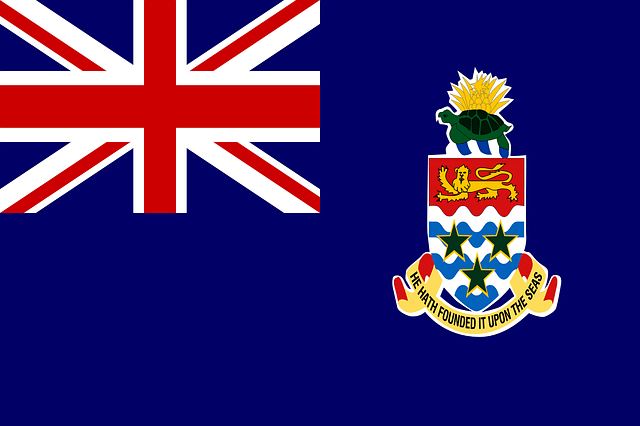
The Cayman Islands are known as one of the leading financial centers in the world. It took only a few decades for this overseas British territory to earn a reputation as one of the most creative and favorable places in the world to do business. In recent years, this jurisdiction has also become a hub for various fintech projects, including many crypto companies. The local government is aware of the prospects of crypto assets and has a positive attitude towards them, despite the decentralization and excessive anonymity of blockchain technology.
Since 2020, the Cayman Islands have had special legislation regulating the crypto sector in the country. Anyone wishing to engage in cryptocurrency activities in this jurisdiction is subject to specific requirements, formed in accordance with international practice of maintaining the security of financial transactions, combating fraud and terrorist financing. One of the conditions for organizing a legal crypto business is obtaining a crypto license in the Cayman Islands. This permit opens up wide opportunities and access to various benefits for entrepreneurs and investors from all over the world.
Licensing is one of the most important aspects that ensure the efficient operation of any enterprise. A permit for cryptocurrency activities primarily means that the company is ready to work within the framework of the current legislation, to ensure the protection of not only its own rights but also the rights of its customers. Regulators use licensing to normalize the crypto market and make it as transparent, safe, and efficient as possible. Therefore, the applicant for a crypto license is subject to serious requirements that are important to fulfill in order to achieve a positive verdict from the Regulator. The easiest way to go through all the stages of licensing is with the support of attorneys and lawyers of Lawrange Attorneys at Law. Many years of experience and in-depth knowledge of international law allow us to quickly solve all the tasks related to obtaining a license in the Cayman Islands.
Advantages of Crypto Licensing in the Cayman Islands
The legitimacy, security, and sustainable development of the crypto industry in this jurisdiction is a direct result of the work of the government and the regulatory authority – the Cayman Islands Monetary Authority (CIMA). At the same time, investors who open a cryptocurrency company here can take advantage of various benefits. This offshore jurisdiction is not included in any “blacklist” and is therefore very popular and respected in the world. In addition to fast business registration (within 48 hours if there are no errors in the documentation), there is no need, for example, to obtain the personal approval of the local Minister of Finance.
Tax and Economic Benefits
It is preferred to register a crypto license in the Cayman Islands, primarily because of the absence of standard taxes for foreign businesses. Here, corporate income is not subject to taxation, so you can keep more of your earnings. Investing and managing your own assets is also much easier due to the absence of capital gains tax. Foreign investors are exempt from gift and inheritance tax when planning their inheritance.
As for economic privileges, it is worth noting the stability of the economic and financial system of this jurisdiction. Global cataclysms have virtually no negative impact on the Cayman Islands’ economy, so clients and investors have more confidence in local companies than in any other in the world.
Strengthening Business Positions
Cryptocurrency licensing is not just a tool for deterrence and control. Thanks to this permit, the company becomes a legal market participant that ensures compliance with all regulations and requirements to maintain the safety of customers and investors. Each of them is fully confident that in the event of unforeseen circumstances, their rights and funds will be fully protected. Confidence in companies that comply with AML/KYC standards and policies is also strengthened by the Regulator, which significantly reduces the risk of fines or license revocation.
Global Expansion of Business Activities
A crypto license in the Cayman Islands provides access to the global cryptocurrency markets. It is much easier for licensed enterprises to attract the attention of potential customers and investors abroad, which creates unique opportunities for improving business efficiency. At the same time, entrepreneurs who open a crypto company in the Caymans are exempt from any residency restrictions. They can register a legal entity here and enjoy full rights to the acquired real estate. It is also worth noting that most registered companies are highly diversified, so they are not afraid to invest in other jurisdictions or expand.
High Level of Confidentiality
The Cayman Islands provide a high level of privacy. People who decide to open a cryptocurrency business in this location will be able to use and store their assets without the risk of exposure. It is illegal to disclose any information about the company’s financial situation.
Stable Legal System
One of the reasons why many investors are paying attention to this jurisdiction is the stable local cryptocurrency legislation, which is characterized by:
- Developed and predictable, which helps companies to establish business processes based on stable rules.
- Aimed at protecting the interests of all crypto market participants – companies and clients can be sure that their rights will be respected in any case.
- Transparency – state institutions involved in the regulation of the cryptocurrency sphere operate honestly and transparently, thus eliminating the risk of corruption and increasing investor confidence.
Requirements for Licensees
The legal conduct of crypto business in the Cayman Islands is possible if the licensee meets a number of requirements and conditions:
- Ensuring an appropriate legal form – the company should be registered in the country in one of the available legal forms (LF), such as an LLC or a joint-stock company.
- Support for international security standards – a legal entity is obliged to develop and implement AML/KYC policies aimed at combating financial crimes.
- Ensuring financial reliability – a cryptocurrency license in the Cayman Islands is issued only to financially stable companies that are able to organize reliable management of crypto assets.
- The company, its management, and owners have a transparent business reputation. If the Regulator finds any compromising information, the license may be denied.
- Providing a full package of documents executed in accordance with the current legislation.
- Having an officially registered office in the Cayman Islands.
- Appropriate senior officials, beneficial owners appointed only with the approval of the regulatory authority.
Also, if you want to obtain a crypto license in the Cayman Islands, you should provide the Regulator with as much detailed information about your business as possible, covering operational processes, offered products and services in the cryptocurrency sphere.
The Licensing Process: Features and Stages
CIMA is responsible for the regulation of crypto assets, which are considered “virtual assets” under the Cayman Islands legislation. At the same time, the licensing regime for any legal entity is relatively easy. Crypto companies registered in the Cayman Islands are called Virtual Asset Service Providers (VASPs), whose activities are regulated by the VASPA Act of 2020 (as amended in 2022). In order to obtain a crypto license, several steps are required.
Work on the Preparation of the Necessary Documents
The Regulator considers a request for a crypto license only if it is submitted:
- Copies of constituent papers – we are talking about the charter, registration certificate, and other duplicates of constituent documents.
- Duplicate financial statements – the company’s financial documentation for a certain reporting period allows you to verify the economic reliability of the licensee and its ability to fulfill its obligations.
- Business plan – a document that describes all important aspects of the company’s structure, specifics of its activities, business strategy, possible risks and forecasts, etc.
- Technological documentation – allows the Regulator to understand what kind of platform the company uses in its work and what security measures are used to work with crypto.
- Evidence of the competence and professionalism of management personnel, as well as other key figures in the company.
CIMA also requires a police clearance certificate from the applicant’s country of residence, a letter of recommendation from a bank with which the applicant previously worked in his or her country of residence, and other documents.
Submitting an Application for a License
An application for licensing with CIMA can be submitted through a special online platform REEFS. Individuals must also fill out the AML/CFT form available on the REEFS website. A license is obtained only after payment of the registration fee.
When reviewing an application, the Regulator performs a comprehensive examination of the submitted documents. It analyzes the security system, examines the business strategy presented, and assesses the management team for professionalism and lack of criminal record. Only then does CIMA issue a final decision.
Types of Cryptocurrency Licenses in the Cayman Islands
he Cayman Islands Monetary Authority (CIMA) issues four main types of cryptocurrency licenses. This variety allows for a range of activities related to electronic money, from trading platforms to the storage and transfer of virtual assets to third parties.
Crypto Exchange License
The crypto exchange license in the Cayman Islands allows companies to provide services for exchanging electronic and fiat currencies.
Crypto Broker License
The crypto broker license in the Cayman Islands enables organizations to conduct transactions with virtual currencies on behalf of their clients.
Crypto Trading License
This license is required for organizations that are directly involved in buying and selling digital assets.
VASP Crypto License
The VASP crypto license in the Cayman Islands is intended for market providers offering a broad range of cryptocurrency services.
Legal forms of companies for obtaining a crypto license
The companies that can be registered by entrepreneurs to conduct cryptocurrency activities in the Cayman Islands can have different forms. The choice of a specific legal form of a legal entity depends on the goal, the number of participants, their level of responsibility, etc. To determine the best option, we recommend that you consult with the specialists of our law firm, who will take into account all factors, including the client’s wishes.
Choosing a Limited Liability Company
A limited liability company is most often chosen by non-resident entrepreneurs. The main features of this legal form:
Order a consultation
- The liability of the owners of financial obligations is limited. As a result, personal property or finances remain out of the risk zone in case of financial problems in the company.
- Managing a company in the form of an LLC is much easier because of the ability to ensure an effective distribution of power and control by each participant according to their share of the authorized capital. As a result, management is transparent and efficient.
- The use of an LLC provides for the possibility of ensuring the highest degree of confidentiality – information about the owners and directors is in the public domain.
Whether to Give Preference to a Joint-Stock Company
This type of legal form is considered a profitable alternative to an LLC. Its main differences lie in the peculiarities of internal structuring and control:
The management structure is somewhat more complicated than that of an LLC – the company consists of shareholders, each of whom has its own share of shares, and a board of directors elected by the shareholders to directly manage the company.
It is possible to raise capital from external investors by issuing shares. Thanks to this option, the business creates good conditions for further expansion.
In terms of financial reporting, joint-stock companies are more transparent, but information about the owners is not publicly available. The main bias in such a SPE is towards the need to disclose only the company’s financial information, and not to identify individual shareholders.
Peculiarities of Partnerships and Other Separate Legal Entities
Depending on the purposes for which you need to register a crypto license in the Cayman Islands, you may also give preference to the following types of business entities:
- Partnerships – created by at least two persons (the number is not limited) on the basis of an agreement concluded between them on joint management and ownership of the business. Given the peculiarities of the cryptocurrency sphere, partnerships are convenient for asset management.
- Joint ventures are a type of partnership in which two or more companies make a joint contribution to a certain project, such as a startup.
- Funds and other variable capital structures – you can choose a specific SPV that will exactly meet the specific needs of the firm.
Starting a Cryptocurrency Business in the Cayman Islands
The legislative environment in the Cayman Islands is quite stable. The very favorable tax policy allows for successful business operations within this jurisdiction.
Starting such a business involves the following steps:
1. Establishing the Business
Such a business in the Cayman Islands can take the form of a Limited Liability Company (LLC) or an exempted company.
The main requirement is the presence of a registered physical office within the jurisdiction.
2. Obtaining a Cayman Islands Crypto License
Companies planning to operate in the cryptocurrency space within this jurisdiction must also obtain a crypto license from the local regulator (CIMA).
To do this, the following requirements set by CIMA must be met:
- provide a business plan;
- meet minimum capital requirements;
- have adequate systems and controls.
Obtaining a crypto license in the Cayman Islands gives the business access to the banking sector.
3. Arranging Banking Services
The presence of numerous international banks operating in the jurisdiction allows cryptocurrency companies to make optimal choices for organizing and supporting their operations.
4. Compliance with Anti-Money Laundering (AML) and Counter-Terrorism Financing (CTF) Regulations
Strict adherence to these rules is a necessary condition for cryptocurrency businesses in the Cayman Islands. This policy includes implementing procedures for customer identification and verification. It also involves mandatory transaction monitoring. Crypto companies must always report any suspicious activity to the authorities.
Taxation of Currency Businesses in the Cayman Islands
Currently, there is no specific tax legislation related to virtual asset transactions in this jurisdiction.
The favorable regulatory environment and the attractive tax regime of the Cayman Islands make it an excellent place for cryptocurrency activities.
Key principles of taxation for crypto companies in the Cayman Islands:
1. No direct taxes
This means that the jurisdiction does not impose common taxes. This rule applies to all companies, both local and international, including those engaged in trading and investing in virtual currencies.
The following taxes are absent in the jurisdiction:
- corporate tax;
- personal income tax;
- capital gains tax;
- dividend or interest payment tax;
- value-added tax (VAT);
- payroll tax;
- property tax;
- inheritance tax;
- gift tax.
At the same time, the Cayman Islands adequately meets international tax standards. The jurisdiction has signed Tax Information Exchange Agreements (TIEA) with other countries and has received international recognition.
The tax policy gives cryptocurrency companies a significant advantage, allowing them to substantially increase their net profits from business operations.
Order a consultation
2. Mandatory licensing and registration fees
For cryptocurrency companies, these fees may also include payment for obtaining or renewing a crypto license in the Cayman Islands. The renewal fee usually depends on the type of cryptocurrency company and the size of its assets.
3. Compliance with financial reporting and international standards
Companies registered in this jurisdiction must regularly submit financial reports and comply with international standards on anti-money laundering (AML) and know-your-customer (KYC) regulations.
4. Participation in international cooperation
Companies must participate in tax information exchange initiatives.
5. Planning and structuring activities
Cryptocurrency companies in the Cayman Islands need to seriously approach the planning and structuring of their activities. This will allow the business to legally develop, achieve its business goals, and increase profitability.
This includes:
- choosing the appropriate corporate structure;
- developing an effective internal control policy;
- adhering to business transparency principles.
It is important for cryptocurrency companies to pay due attention to details and comply with international and local regulatory requirements during their operations.
Ongoing Reporting and Audit Requirements
Cryptocurrency companies must create and submit annual and financial reports. However, public access to reports is not provided on the islands.
From the start of each year until January 31, all companies engaged in cryptocurrency activities must submit an Annual Return to the Register. An annual fee must also be paid. The amount of this fee depends on the company’s share capital, annual turnover, and license type. For example, the cost of a Cayman Islands cryptocurrency exchange license ranges from $700 to $5000.
If the annual report and fees are not paid by March 31, late fees are charged quarterly and amount to a certain percentage of the annual fee:
- up to March 31 – 0%;
- April 1 to June 30 – 33.33%;
- July 1 to September 30 – 66.67%;
- October 1 to December 31 – 100%.
f an organization does not submit the annual report and does not pay the annual fee for 12 months, it is struck off the Register and loses its license. All company assets then become the property of the Cayman Islands Government.
Cryptocurrency companies must submit audited financial reports to CIMA. The financial reporting must comply with international standards (IFRS). It should be submitted to CIMA within 3-6 months after the end of the financial period. If there is a violation of audit and financial reporting requirements to CIMA, fines will be imposed on the cryptocurrency company and its directors.
The table below outlines the main requirements regarding bookkeeping and reporting.
| Requirements | Description |
| Provide annual accounting and financial reports |
|
| Adhere to accounting and financial reporting standards | Financial – International Financial Reporting Standards (IFRS);
Accounting – Generally Accepted Accounting Principles (GAAP). |
| Conduct an annual audit of activities | An independent auditor reviews compliance with international norms and standards. |
| Submit reports on clients and transactions | International AML and CTF requirements. |
All these requirements are crucial for the lawful operation of cryptocurrency businesses on the islands and ensuring the safety of operations for clients of cryptocurrency companies.
Organizations that do not meet these requirements face significant fines and risk losing their Cayman Islands crypto license.
Cayman Islands Sandbox License
The Sandbox License was introduced for working with and implementing innovative products and services.
This crypto license in the Cayman Islands can be obtained by:
- companies that do not meet the definitions of VASP;
- companies covering issuers, custodians of virtual assets, trading platforms for virtual assets, and dealers of virtual assets.
The Sandbox License is a regulatory document established by CIMA that allows:
- testing innovations related to digital resources in a controlled environment;
- promoting innovations in the industry while ensuring compliance with consumer protection rules and AML/CTF regulations.
This crypto license in the Cayman Islands is granted for a term of up to one year.
Regulatory Sandbox License
When issuing a Sandbox License, CIMA will evaluate both the innovative service itself and the technology or method of its delivery by the sandbox licensee. This is done to ensure compliance with the core principles of the Sandbox License specified in the VASP Law.
According to regulatory requirements, innovations must:
Order a consultation
- enhance the quality of financial services;
- comply with global AML standards.
Moreover, innovations in the crypto industry should contribute to the overall development of the sector.
Digital Resource Solutions
The VASP Law applies to cryptocurrency companies that provide digital resource services in or from the Cayman Islands.
Digital resource services include:
- Creation and issuance of new digital resources;
- Trading or exchanging digital resources;
- Transfer of digital resources;
- Storage of digital resources;
As well as participation in or financial assistance related to the purchase and sale of digital resources by issuers.
What Problems an Be Encountered During the Licensing Process
Although this process is generally characterized by comparative ease, there are still factors that can significantly complicate it:
- The inability of a company to prove its financial stability is often the reason for refusal to obtain a license.
- The complexity of legal documentation – the list of required documents may include several dozen papers (forms, applications, certificates, charter, business plan, extracts, etc.), and even simple mistakes in at least one of them may result in a license denial.
- Lengthy verification procedure – the regulatory authority carefully examines the applicant who is interested in registering a crypto license in the Cayman Islands. If the package of documents is insufficient, or, for example, if there are questions about the technological equipment of the company, CIMA may require additional information, explanations, financial statements, etc.
- Rapidly changing legislation – laws governing the cryptocurrency sphere are constantly subject to change. This feature is typical for all jurisdictions in the world. In this regard, cryptocurrency companies, in the absence of proper legal support, may not be able to respond in time to legislative changes to update policies and core corporate processes.
- Antitrust measures – in order to prevent market monopolization, the government may impose antitrust restrictions, which become a serious challenge for the cryptocurrency business.
Our attorneys and lawyers specialize in cryptocurrency licenses, and therefore know exactly what measures to take to avoid these and other possible risks.
Regulation of Cryptocurrency Companies
Companies operating in the digital or virtual asset sector are subject to a number of requirements, one of which is obtaining a cryptocurrency exchange license in the Cayman Islands. Cryptocurrency activities in this jurisdiction are regulated by law:
- “On Virtual Assets” (On Service Providers) – a cryptocurrency exchange license is required for those who offer virtual asset storage services or operate a crypto trading platform.
- “The Foreign Account Tax Compliance Act (FATCA), which applies to licensing of US citizens (obliges companies owned by US residents to transfer information about financial accounts to the US Internal Revenue Service).
- AML – companies engaged in relevant cryptocurrency activities are required to comply with anti-money laundering rules.
In addition, when registering a legal entity, it is necessary to comply with the requirements set forth by the Companies Act. For example, a crypto firm must have a registered office in the Cayman Islands and a registered agent.
What is CIMA
The Cayman Islands Monetary Authority (CIMA) regulates the financial and cryptocurrency sectors in the country. This regulatory body has relatively lenient licensing requirements for persons offering services using virtual assets in the Cayman Islands. Such persons are considered by CIMA to be virtual asset service providers (VASPs), whose activities are regulated by the aforementioned Virtual Assets Law of 2020.
CIMA, among other things, is engaged in licensing:
- Crypto exchanges.
- Platforms for the storage and exchange of crypto assets.
- Crypto-brokerage companies (providing intermediary services).
- Crypto funds.
- DeFi and ICO projects.
Cost of obtaining a crypto license in the Cayman Islands
The cost of obtaining a Cayman Islands crypto license includes a range of services provided by Lawrange Ltd.
This package includes:
- company registration;
- opening a corporate bank account;
- obtaining the crypto license.
Our services also include:
- collecting the necessary documentation;
- assisting clients with filling out various forms and applications;
- preparing corporate and specific (AML/CTF and KYC) documentation;
- assisting with office rental and staffing.
Additionally, Lawrange specialists provide full support for the documentation process when reviewed by the licensing authority in the Cayman Islands.
Why you should contact Lawrange
Despite the fact that a cryptocurrency license in the Cayman Islands is relatively easy to obtain, it is still extremely important to work on the implementation of this task with the support of experienced, highly qualified lawyers. Such specialists provide their services at Lawrange Law Firm. With our help, you will be able to start a cryptocurrency business on a legal basis as soon as possible. We will help you determine all the pros and cons of the decision to get licensed in the Cayman Islands, assess all the factors and legal risks. After that, our experts will begin to promptly solve the task of obtaining a crypto license. We provide full support at every stage of the licensing process, increasing the chances of your application being approved.
FAQ
How long does licensing take?
The direct process of crypto licensing (from the moment of submitting the application and a package of documents to the Regulator) takes an average of 3-4 months. You should also allow up to 1 month for the preparation of the necessary documentation and company registration.
Are cryptocurrencies subject to taxation in the Cayman Islands?
No, there is currently no special tax legislation related to cryptocurrencies in the Cayman Islands. However, businesses engaged in cryptocurrency transactions may in some cases be subject to other forms of taxation (for example, stamp duty on real estate transactions). We recommend that you consult with our specialist to get acquainted with all the details of taxation in this jurisdiction.
Is it possible to open a bank account for crypto business in the Cayman Islands?
Yes, cryptocurrency companies have the opportunity to use banking services here. The Cayman Islands have a well-developed banking sector. The company must first obtain a crypto license from CIMA, as well as comply with anti-money laundering and anti-terrorist financing regulations.
ORDER A CRYPTO LICENSE IN THE CAYMAN ISLANDS
 Channel with ready-made companies for sale