
The online gambling sector in Europe is strictly regulated. Companies operating in this industry are required to obtain licenses (often multiple licenses, each with specific requirements) to legally provide their services in European countries. In most parts of the EU, at least some forms of online gambling – such as betting, poker, or online casinos – are permitted, while in other countries, all types of games are allowed. Furthermore, monopoly regimes continue to exist, offering online gambling services under the control of a state-owned or private operator under exclusive rights.
The online gambling industry in Europe is regulated by separate national laws, which complicates the licensing process. Lawrange Attorneys Association can help you obtain a gambling license in Europe, taking into account the legal requirements of your specific jurisdiction. We leverage our extensive experience, in-depth knowledge of international law, and a robust network of partners across the EU to ensure successful licensing.
What Is a Gambling License and Why Does an Operator Need One
The online gaming industry has grown rapidly in recent years, attracting the attention of entrepreneurs and investors. Currently, legally operating an iGaming business requires a license – a certificate issued by a government regulatory body (the Regulator). This permit is required by:
- Online gambling operators.
- Game developers and suppliers (specializing in creating software for operators and providing services tailored to a specific market).
- Affiliate marketing companies.
Obtaining a gambling license in Europe is essential for companies seeking to comply with the laws of the country in which they operate. Although virtually all European countries practice some form of multi-licensing, each country maintains its own online gambling regulations, which often differ significantly in nature and have their own compliance requirements.
Some European jurisdictions require companies to hold a single license to offer all online gambling products. However, most European jurisdictions require separate licenses to offer specific and distinct groups of online gambling products.
Thus, an iGaming company is required to hold multiple licenses to supply the same game or product (e.g. poker) to different European countries, even though the product or game offered is not different in nature or terms.
Important! Licensing regulations vary across the EU, and each jurisdiction has its own regulatory body, such as the UK Gambling Commission or the Malta Gaming Authority (MGA).
Benefits of Obtaining a Gambling License in Europe
Firstly, a licensed company gains the ability to operate in a much wider range of countries (not just European ones). Experienced bettors and online casino users understand that licensed operators can be trusted more, as they are legally obligated to provide a certain level of protection to their users. A license demonstrates the company’s commitment to legal operations and adherence to fair and transparent gaming standards. This helps attract and retain customers from leading software providers, improving the quality and security of their services.
Types of Gambling Licenses in Europe
The EU has no specific legislation for iGaming, and regulation of the gambling industry is left to the discretion of individual member states. Each European jurisdiction has its own rules and regulations governing online gambling. Key features of iGaming regulation include age restrictions, licensing and compliance, and player protection measures. Gambling licenses are classified based on the country in which they are issued (national) and the type of game.
National Permits
Regulatory authorities in various jurisdictions offer their own licenses valid in the country of registration. The requirements, procedures, and costs for obtaining a permit vary significantly, which is important to consider when searching for a suitable location to register a gambling company.
Important! Not all licenses are intended for customer-facing operators. In many jurisdictions, B2B service providers (e.g., platform developers, gaming studios, aggregators) are required to have a license to supply software or services to B2C operators.
Permits Depending on the Type of Game
- Betting – online sports, esports, and betting.
- Casino – licenses cover gambling games such as slots, blackjack, roulette, and others. These are considered more difficult to obtain due to strict oversight by regulators and the need to comply with responsible gaming requirements.
- Poker – this type of license allows the creation of online poker rooms using real money and requires additional controls, including game integrity audits, collusion detection, and random number generator (RNG) certification.
- Lottery, bingo – permits the sale of national/international lottery tickets, scratch cards, and instant games; often regulated under separate betting or casino licenses.
Popular Gambling Licensing Jurisdictions in Europe
While gambling legislation varies, many licensing requirements are based on common principles. Most jurisdictions require financial transparency, responsible gaming measures, and anti-money laundering compliance. However, each gambling market imposes specific requirements that significantly impact an operator’s ability to succeed. The following European jurisdictions offer the best chance of obtaining a gambling license in Europe.
Baltic States: Latvia, Lithuania, Estonia
The Baltic States are part of the EU, so gambling is strictly regulated here, as throughout Europe. A gambling license is characterized by:
- In Latvia – it is universal and has no time limit, but must be renewed annually, and there are requirements for mandatory e-Cogra certification.
- In Lithuania – the license is limited in scope, as it is issued only to land-based casinos, bookmakers, and slot machine owners.
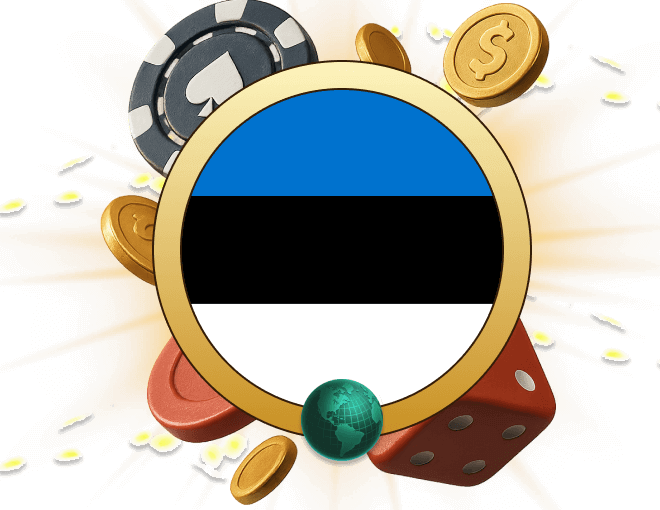
- In Estonia – the process is step-by-step. First, you need to obtain a license to organize certain types of games, then obtain permission to actually operate in a specific location (online or in a specific area).
Czech Republic
Czech gambling legislation has been updated in recent years. To obtain a gambling license, operators must now provide full information about their company, key personnel, and available funds. They must also prove that their future online gambling platform has high-quality technical equipment that will ensure smooth operation. A gambling license in the Czech Republic requires a small license fee of just €200, but a bank guarantee of €130,000 must be deposited with the Ministry of Finance.
Malta
Obtaining a gambling license in Malta requires paying a license fee, the amount of which depends on the type of permit. Maltese legislation covers both consumer-to-consumer (B2C) and business-to-business (B2B) gambling markets.
- B2C licenses cover all recognized online games, from casinos and poker to fantasy sports.
- B2B licenses are issued to developers supplying games. The second type of license is required for white-label solution providers who provide software to gambling establishments.
A Maltese gambling license enjoys a good reputation worldwide. It allows access to the EU market and facilitates expedited licensing processes in other countries. However, be aware that licensing in Malta may take longer than in other jurisdictions.
Gibraltar
Gibraltar is a UK territory, and it also has special rules for obtaining a gambling license. The Gibraltar Licensing Department issues six types of licenses. Tax rates for the gambling industry are quite favorable: just 1% of revenue, with a maximum taxable amount of £425,000 per year. A Gibraltar gambling license can be obtained within 5–6 months and is valid for 5 years.
Isle of Man
This jurisdiction offers competitive tax rates and incentives, making it financially attractive to operators. Local legislation changes infrequently, providing regulatory and business certainty for companies. Compared to other jurisdictions, a gaming license in the Isle of Man is less popular among operators, which can speed up the process of obtaining one.
Considerations When Choosing a Jurisdiction for a European Gambling License
Before obtaining a gambling license in Europe, you should choose the most suitable country for your iGaming company by considering various aspects:
- Market entry and growth prospects – it is important to first determine the territory and audience your company will be able to operate in.
- Jurisdiction reputation – to enhance your business’s prestige and more easily gain user trust, the regulator must be respected and universally recognized.
- Expense level – it is important to understand whether licensing and other license renewal fees, as well as related ongoing expenses, fit within your budget and whether they are consistent with your company’s financial plan.
- Tax obligations – consider tax policy considerations that directly impact your company’s profitability and financial planning. Determine whether any tax breaks or incentives exist. Regulatory requirements – as mentioned above, different countries impose their own regulations, requirements, and standards for obtaining and subsequently using the relevant license. It’s important to understand in advance whether you can comply with them.
- Timeframes – the timeframe for issuing a license determines how soon you can begin carrying out your stated business activities. Understanding the timeframe also allows you to determine in advance the financial consequences of a delay.
- Non-compliance with regulatory requirements – consider the risks of non-compliance, including the possibility of fines, suspension of operations, and even criminal liability.
Step-by-Step Procedure for Obtaining a Gambling License in Europe
Unlike jurisdictions with a uniform regulatory framework, the EU has a diverse system of rules and requirements. Each country issues its own types of permits for operators and game and software providers. However, there is a common process by which gambling licenses in Europe are typically obtained.
Company Registration
Each regulator requires a company to be registered in its country. This requires a registered office, resident directors, a bank account, and proven capital.
Document and Business Plan Preparation
The documentation package may vary by country, but typically includes:
- A business plan describing the model approach, marketing strategy, and target markets.
- AML and KYC policies.
- Technical documents, including software certification, platform architecture, and cybersecurity measures.
- Evidence of implemented secure gaming measures.
Order a consultation
The more accurate and detailed the documentation package, the higher the chances of obtaining approval and reducing the licensing time.
Submitting an Application and Paying Fees
A license application is submitted to the regulatory authority of the country of interest via:
- Online portal.
- Physical copies of certified documents.
A registration and annual license fee must be paid. Expenses during the licensing process also include software certification, auditing, and legal consultations.
Review and Permit
The regulator reviews your application on a first-come, first-served basis. The timeframe may vary depending on the government agency’s workload and the accuracy of the documentation. If approved, a license certificate with a unique number is issued, granting permission to use certain types of games.
Potential Difficulties and Mistakes in Obtaining a Gambling License in Europe
Obtaining a gambling license is not guaranteed. It is estimated that between 20% and 40% of first-time applicants are rejected, depending on the jurisdiction’s regulatory requirements. Therefore, regardless of the license type, obtaining it is a matter of careful preparation, not luck.
One of the most challenging aspects of gambling licensing is proving the financial viability and stability of your business. Regulators review the financial position of applicants to ensure they have the resources necessary to run a sustainable and safe gambling business. This requires the provision of detailed financial statements, turnover forecasts, and proof of sufficient reserve capital.
Issuing a gambling license requires a thorough background check and due diligence of the individuals and companies involved. Regulators conduct thorough background checks on applicants, examining their criminal records, financial histories, and ties to various organizations. The rigor of this process is explained by the regulators’ desire to eliminate potential threats to the gambling industry’s reputation. Another challenging aspect of gambling licensing is the complex geographic restrictions. Different regions of Europe have different legal systems, and obtaining a license in one jurisdiction does not guarantee access to other countries. For a successful licensing strategy, it’s important to understand all the intricacies of market access and potential restrictions.
Some of the most common errors that lead to gambling license denials include:
- Opaque or complex corporate structures – use of shell companies, unclear ownership, and a lack of management transparency.
- Failure to comply with technical standards, testing, certification, and software cybersecurity requirements.
- Failure to comply with local presence requirements – lack of a registered office, local legal representation, or domestic server, as required by the laws of a particular jurisdiction.
- Ongoing litigation, outstanding regulatory fines, or past compliance violations.
- Lack of a fair play policy, slow withdrawals, or opaque terms and conditions.
- Failure to clearly communicate a business strategy, operational plans, and long-term plans.
Important! One way to avoid such errors and problems is to purchase a ready-made gaming license. This option saves significant time, but also has its own nuances, which you can discuss with the experts at Lawrange.
Professional Legal Support from Lawrange
Our team at Lawrange knows how to obtain a gambling license in Europe without delays, refusals, or compliance issues. We offer a full range of services, ensuring the smooth and efficient application process for a gambling license in any European country. Our experts pay meticulous attention to every detail, avoiding the common mistakes described above and significantly increasing your chances of obtaining a license. A thorough, transparent, and well-thought-out strategy from Lawrange’s specialists will help you successfully establish a legal gambling business in Europe.
We will help you gather and properly prepare all the necessary documentation and advise you on how to configure every aspect of your business to ensure regulatory compliance. This will not only help you avoid mistakes but also ensure your business’s long-term success in the highly regulated EU gambling industry.
The Lawrange team provides expert advice tailored to market specifics, product localization, country-specific regulations, your preferences, budget, and other factors. With our extensive experience in assisting with the registration and licensing of gambling companies, you can begin exploring the European iGaming market without delay.
FAQ
Can a European gambling license be used to operate outside the EU?
Yes, but it depends on the laws of the country where you plan to operate. There is currently no single, universal European license that would automatically allow you to conduct gambling business worldwide.
Is it possible to buy a ready-made company with a valid European gambling license?
Yes, this is a fairly popular way to expedite market entry, but the purchase process should only be carried out under thorough due diligence and with professional legal support.
How long does a license renewal take, and how does it differ from an initial license renewal?
The exact duration of a gambling license renewal in the EU depends on the specific jurisdiction, but in general, the process is shorter than an initial license renewal. It is also more predictable, since the main checks have already been conducted. However, during renewal, the Regulator focuses primarily on reviewing the operator’s current activities.
ORDER A GAMBLING LICENSE IN EUROPE
 Telegram bot for quick communication with us