
An offshore is a jurisdiction that allows you to create a business without personal presence and payment of local taxes. A company established in this area is not subject to taxation, does not maintain financial reporting, and is not required to have a physical office.
A nominee secretary or director is often appointed. They are residents of the country, which allows the real owners of the business to remain undisclosed in publicly available registers.
This method of operation is especially suitable for IT companies, financial and investment firms, marketing agencies, and product distributors.
Why Startups Should Consider Offshore Registration
Opening a startup offshore provides the company with a number of benefits:
- tax reduction;
- protection of owner information;
- simplified reporting requirements;
- minimization of bureaucratic procedures;
- facilitation of international operations;
- flexible corporate governance conditions.
Starting a startup offshore requires careful attention to financial and legal aspects. The key factor is aligning with the business’s goals and long-term strategy.
Tax Benefits
In some offshore jurisdictions, a zero or reduced corporate tax and dividend tax rate apply, along with VAT exemption. It is important to study international laws, local fiscal requirements, and banking account opening features.
Owner Confidentiality
In countries providing offshore zones for startups, information about owners is not disclosed in public registers. This acts as a form of protection for the business from unwanted attention by competitors, fraudsters, and third-party organizations.
However, in the case of a tax investigation, some countries request information about the founders.
Simplified Financial Reporting
Offshore companies are often exempt from strict accounting and auditing requirements. This reduces the administrative costs of running a startup.
Flexibility of Corporate Legislation
In some offshore jurisdictions, simplified business regulations apply:
- minimal requirements for authorized capital (for example, in the British Virgin Islands, it can be as low as $1);
- the possibility of full foreign ownership without local partners;
- permission to register companies without a physical office;
- flexibility in dividend distribution and governance structure.
Additionally, sometimes another method for remote regulation is offered — electronic residency programs.
Popular Offshore Jurisdictions for Startups
An offshore company for a startup is established in a jurisdiction suitable for its type of activity. This requires considering tax conditions, reporting criteria, and the reputation of a specific country.
Belize
To register a company in Belize, it is necessary to study the specifics of the local jurisdiction. It is an English-speaking country in Central America, located between Mexico and Guatemala on the Yucatán Peninsula. The capital of Belize is Belmopan, a modern, architecturally planned city. Belize City is considered the economic center.
Previously, the offshore center was known for its international business corporations, which operated under the classic model of offshore companies. In 2019, the country updated its legislation, introducing local presence requirements for firms and eliminating the distinction between offshore and onshore enterprises. This allowed the country to adapt to international standards and avoid being blacklisted.
In Belize, there are no mandatory financial reports or audits, making it an excellent choice for opening an offshore startup. Income taxes on earnings received outside the country are not levied. The country also offers various financial licenses for businesses.
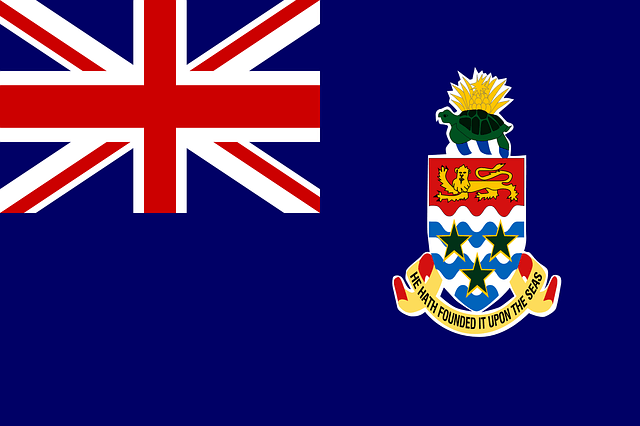
British Virgin Islands
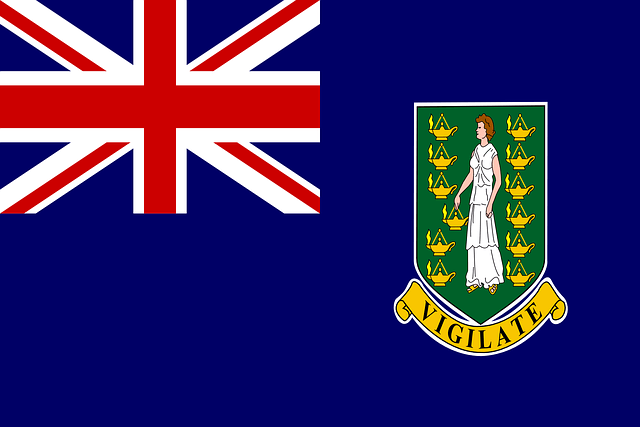
Registering a company in the British Virgin Islands (BVI) requires studying the jurisdiction. It is a territory of the United Kingdom, located in the Caribbean Sea. One of the most popular tax-free offshore jurisdictions, its favorable conditions attract entrepreneurs from around the world. For this reason, the BVI authorities introduced requirements for physical presence on the islands. A register of beneficial owners was also created.
The country is convenient for registering an offshore startup, investment companies, funds, and trusts. The government ensures favorable conditions for conducting trade activities with the United States.
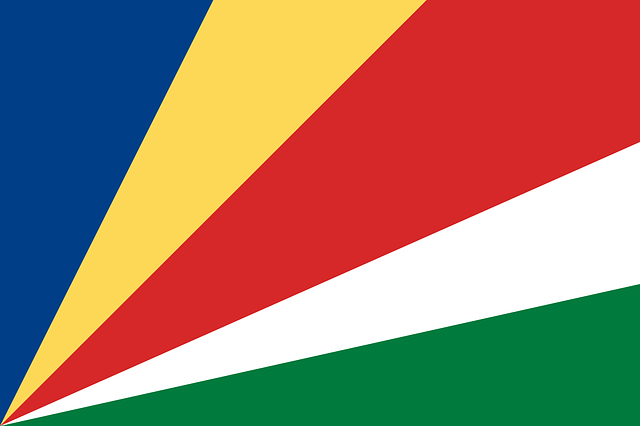
Seychelles
The Republic of Seychelles (RSO) is an archipelago located in the Indian Ocean, just south of the equator, consisting of 115 islands.
It has both French and British cultural heritage. The main sectors of economic activity are tourism and providing international financial services.
Registering a company in Seychelles attracts entrepreneurs with low taxation, business owner confidentiality, and simplified reporting requirements.
UAE
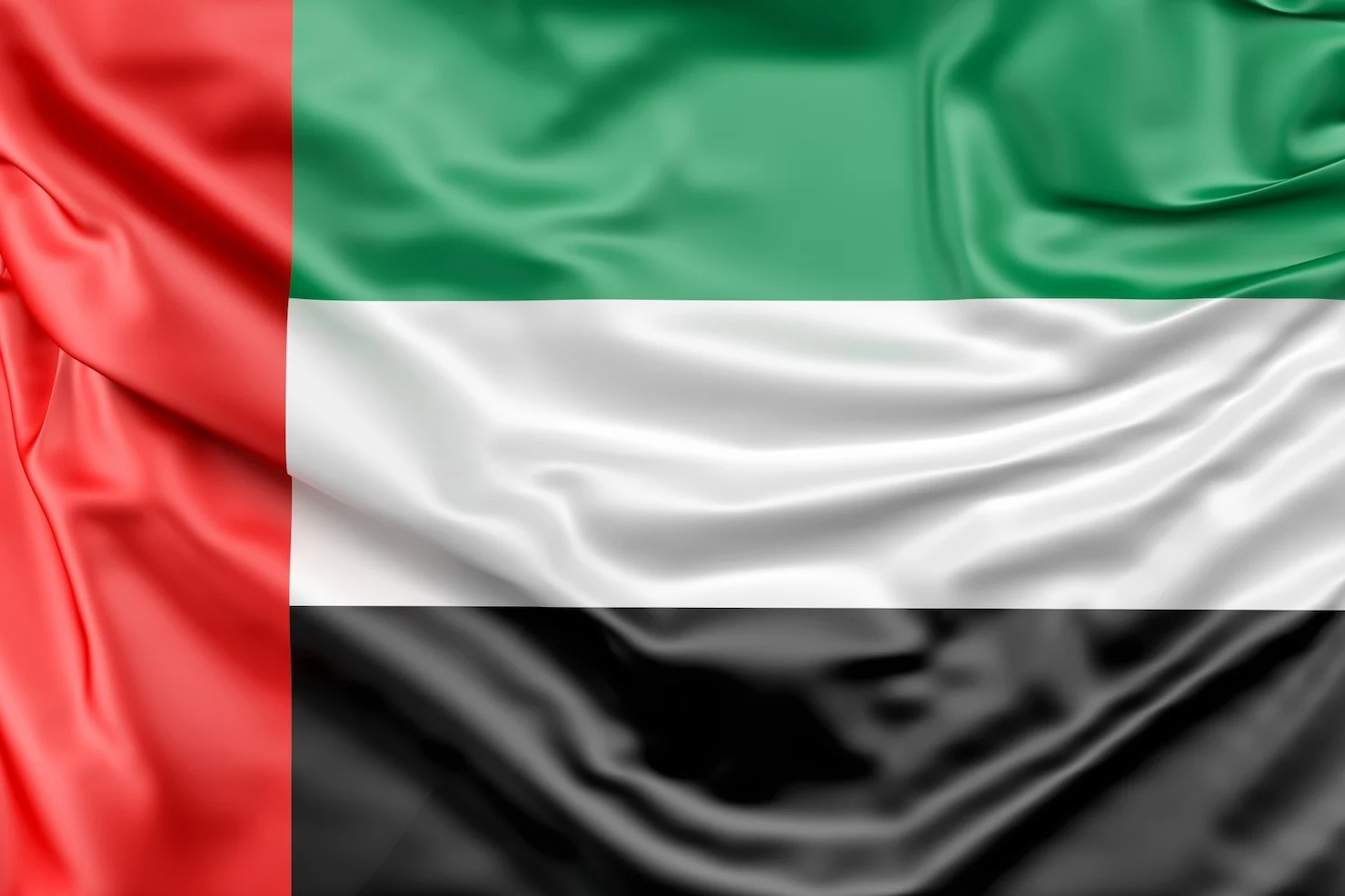
The United Arab Emirates (UAE) is located in the Middle East. It is a federal union consisting of seven emirates. Each is an independent monarchy. The federation includes Abu Dhabi, Ajman, Dubai, Ras Al Khaimah, Umm Al Quwain, Fujairah, and Sharjah. The capital of the country is the largest emirate, Abu Dhabi, and the president is the emir.
The absence of personal income tax makes the UAE attractive to entrepreneurs. Opening an offshore company in the UAE is the key to obtaining a residency visa for an investor or manager.
Some free trade zones in the UAE offer additional benefits and incentives for foreign investors, such as:
- exemption from customs duties (under certain conditions);
- no currency controls or restrictions on financial withdrawals;
- low registration costs;
- minimal requirements for authorized capital and the number of shareholders and directors;
- complete confidentiality of the company’s activities: the register of offshore companies registered in the UAE is not public;
- the ability to open an offshore bank account in any bank in the country.
Each economic zone in the UAE (emirate) has its own features. It is important to familiarize yourself with them before opening a startup.
Order a consultation
How to Choose a Jurisdiction for Offshore Registration?
The choice of jurisdiction for an offshore for a startup depends on the business goals, tax regime, reporting requirements, and level of confidentiality. Consider the legislation, the country’s reputation, service costs, and potential restrictions when working with international partners.
Tax Conditions
The tax regime can vary significantly depending on the country. Let’s consider the main ones:
- corporate tax – the rate is 0% or depends on the source of income;
- dividend tax – in some jurisdictions, there is no taxation on distributed profits, while others may have preferential rates or tax treaties;
- capital gains tax – most countries do not impose a tax;
- VAT (GST, VAT) – low-tax countries may charge, for example, 5%;
- double taxation treaties – reduces the tax burden for international activities.
The choice of jurisdiction should be based on the business structure, sources of income, and the need for international tax treaties.
Country Reputation
Blacklists by FATF and the EU include territories with high levels of risk. White-listed offshore jurisdictions are trusted by financial institutions and international partners.
Ability to Work with International Banks
For comfortable business operations, it’s important to know where you can open a bank account without issues and conduct international payments.
Countries with good reputations, such as the UAE, Singapore, Hong Kong, and Cyprus, offer more favorable conditions compared to classic offshore jurisdictions. Some banks require the company’s actual presence, and the jurisdiction’s participation in the automatic exchange of tax information (CRS) affects confidentiality. The optimal choice depends on the country’s reputation, banking conditions, and tax regulations.
Reporting Requirements
Requirements can range from no obligations to strict financial control. Classic offshore jurisdictions are usually exempt from reporting or minimize it. In low-tax jurisdictions, accounting, annual financial statements, and audits are important.
Some countries also require proof of the company’s economic presence. This implies having an office, employees, or other activities in the jurisdiction.
Offshore Startup Registration Process
Registering a startup in an offshore jurisdiction allows for optimized taxation, simplified regulation, and easier international partnerships. However, the process requires careful preparation, as each country has its own requirements for reporting, corporate structure, and banking services.
1. Defining Goals and the Suitable Jurisdiction
The jurisdiction should align with the business model and goals of the company. This decision depends on:
- the industry you plan to operate in;
- the location of partners and clients;
- acceptable levels of tax burden;
- level of confidentiality;
- the ability to raise investments or sell shares;
- banking service requirements.
For a startup to be successful and reach its potential, consider these factors.
2. Choosing a Registration Agent
A reliable agent is one who has accreditation, transparent cooperation terms, and the ability for prompt communication.
When choosing, consider:
- the reputation of the registration agent;
- experience working in a specific jurisdiction;
- the cost of handling corporate affairs (reporting, compliance with local laws);
- additional services (account opening, tax consulting).
In many jurisdictions, it is expected that the agent must reside in the country to submit documents and interact with government authorities.
It is recommended to review client feedback. Request a list and clarify which services are included in the package to avoid hidden fees or discrepancies.
3. Preparation and Submission of Documents
The statutory information should include the legal name of the company, ownership structure, area of activity, details of the founders and directors. The organization’s articles of association (Articles of Association), the memorandum of association (Memorandum of Association), proof of the registered address, and the passport details of the owners are required.
Documents are submitted to the relevant company registry (e.g., Companies House in the UK, ACRA in Singapore). To avoid delays, it is recommended to clarify all requirements in the country you have chosen in advance.
4. Payment of State Fees
The registration fee amount depends on the jurisdiction and type of business. The fee ranges from $100 to several thousand dollars and is paid upon submission of documents to the registration authority. Some countries require annual renewals with the corresponding fee payment.
Keep in mind additional expenses, such as taxes, banking fees, and agent services.
5. Opening a Bank Account
Opening an account in a foreign bank involves submitting the following documents:
- company incorporation documents
- passport details of the owners
- business information
In countries such as the USA and EU, personal presence is required. In the UAE and Singapore, an account can be opened remotely. Study the bank’s requirements in advance, as additional documents may be needed.
6. Obtaining Certificates and Documents
Once all procedures are completed, a certificate of incorporation (Certificate of Incorporation), tax identification number, and licenses are issued. This confirms the official establishment of the company.
How Long Does It Take To Register an Offshore Company?
On average, the registration of an offshore company takes from 1 to 10 business days. The process may be delayed due to the verification of founders (KYC/AML), obtaining licenses, or opening a bank account.
Order a consultation
The complexity of the corporate structure also affects the duration. In some countries, it is possible to register a company remotely, which speeds up the process.
How Much Does It Cost to Register a Startup Offshore?
The cost directly depends on the country you choose and the services provided.
It often includes:
- registration fees;
- a legal address for one year;
- payment for a local agent;
- a standard set of documents.
Additional services (nominee services, opening a bank account) may increase the total amount.
How Lawrange Helps Foreigners Open a Business
Lawrange provides foreign entrepreneurs with comprehensive services for business, including company registration in various jurisdictions.
If you want to open a bank account anywhere in the world and develop an optimal tax model for international business, the Lawrange team is ready to help.
Conclusions
Registering a startup in an offshore zone can help reduce tax expenses, protect assets, and simplify international payments. The choice of country depends on business goals, regulatory requirements, and the availability of banking services.
The registration process can take from several days to weeks. It is important to consider additional costs for company maintenance. A comprehensive approach is needed — reliable registration agents and an understanding of legal aspects.
Lawrange has more than 10 years of experience in international corporate law. The company provides support to its clients at all stages of creating and running a business abroad. Contact the specialists, and your startup will successfully go through registration and launch.
FAQ
What taxes does an offshore company pay?
The tax amount depends on the jurisdiction where the organization is registered. Each jurisdiction has its own specifics. For detailed information, you can contact the specialists at Lawrange.
Which countries are best for IT startups?
The most favorable jurisdictions for IT startups are Estonia, Singapore, the USA (Delaware, Wyoming), the UAE (Dubai, Abu Dhabi, Ras Al Khaimah), and Cyprus.
Can an offshore bank account be opened?
Yes. However, it is necessary to take into account international anti-corruption rules (KYC, AML). Many banks require proof of actual business activity, including contracts, invoices, and the company’s website.
ORDER AN OFFSHORE STARTUP REGISTRATION
 Telegram bot for quick communication with us