
The lack of favorable tax policies and sufficient confidentiality often drives entrepreneurs to seek new opportunities for their business abroad. In this context, offshore jurisdictions – low-tax areas with minimal corporate requirements and guaranteed data security – are particularly popular. This option is considered effective for entering international markets, diversifying portfolios, and protecting against currency risks. However, entrepreneurs face a dilemma: to establish an offshore or to buy a ready-made one? Each option has its own advantages and disadvantages, relevant under specific conditions.
If you need to quickly ensure a direct path to business success by reducing tax burdens and utilizing current business tools, purchasing an offshore might be the right choice. For those interested in acquiring a company with a full set of necessary documents, ready to operate effectively and legally, we offer the services of the Lawrange Law Firm. With our help, you can achieve significant time savings and avoid unnecessary worries about bureaucratic delays. We can arrange the purchase of a ready-made offshore with all the necessary licenses and permits for your business. We will handle the transfer of ownership and management, followed by the receipt of documents for the acquired legal entity. We will also provide all related intermediary services.
Understanding Offshores and Their Significance
The term “offshore” refers to locations outside one’s home country. It also denotes jurisdictions with low tax rates for foreign businesses or the absence of certain taxes. These countries (zones) set minimal requirements for business registration and subsequent operations, while ensuring a high level of beneficiary confidentiality. Offshore regions are typically island nations whose primary revenue comes from attracting foreign investments. Companies and individuals (usually with significant personal capital) might move offshore to benefit from more favorable business conditions.
Offshores are not illegal or disreputable – they are merely a method of tax optimization, often popular among young companies and startups with modest budgets that need to protect their business from excessive tax pressure and allow it to grow. However, heightened anonymity also attracts not only legitimate entrepreneurs and investors but also fraudsters, which can tarnish the reputation of certain offshore territories and, consequently, the companies registered there.
The regulatory standards and transparency among offshore territories vary widely, but they generally offer:
- Favorable tax legislation – low or absent income taxes, value-added tax, etc. They often provide a range of tax benefits, which is why they are called tax havens or quiet havens.
- Absence of currency controls, which significantly eases most business operations and protects against some currency risks.
- Exemption from double taxation – such agreements are made between various countries. They prevent paying the same type of tax to both states.
- Asset protection, especially during times of instability, and high confidentiality.
Uses of Offshores
Offshore businesses are created for various purposes. For example, this need may be associated with outsourcing – setting up certain business functions (such as manufacturing or call centers) in a country different from the company’s headquarters. Often this is done to benefit from more favorable conditions abroad (low wage requirements, more lenient regulations, etc.), which can result in significant cost savings for the business. Large companies with significant foreign sales may keep profits in offshore accounts in countries with lower tax burdens.
It can also involve investing – this practice is mainly used by wealthy investors who wish to benefit from tax incentives, protect their assets, and ensure confidentiality. Offshore investment accounts are usually opened in the name of a corporation, such as a holding company or a limited liability company (LLC), rather than an individual. This provides a more favorable tax regime for investments.
Advantages of Buying a Ready-Made Offshore
Ready-made companies offer a range of strategic benefits for entrepreneurs and businesses looking to quickly establish themselves in offshore jurisdictions.
Time Savings
One of the most compelling reasons entrepreneurs choose to buy an offshore company is efficiency. The businesses available for sale are ready to operate immediately. The buyer needs minimal planning and consideration. There is no need to wait a month or more before starting operations – you can begin offering your product or services almost the day after purchase.
Established Structure
The ready-made company comes with all necessary documents, from the registry book to standard stamps and certificate exchange logs. There is also an appointed director and shareholder, and the client can either retain the existing structure or change it, for example, becoming the beneficial owner. Purchasing a ready-made company can also create the appearance of longevity and an established presence, which can be advantageous in business relationships.
Please note! Ready-made offshore companies often have a trust factor due to their existence over a certain period. Even if they did not engage in active activities before the sale, they can be useful in establishing trust with international partners and banks.
Ease of Opening Bank Accounts
It is somewhat easier for ready-made companies to open corporate accounts. In most countries, registering a company from scratch involves numerous procedures and banking formalities, whereas purchasing an offshore company bypasses many of these procedures. Additionally, having an established company can facilitate access to corporate credit lines, as some financial institutions prefer businesses with a good reputation.
Documents for Purchasing an Offshore
Ready-made offshore companies are sold with a full set of documents, which may vary depending on the jurisdiction. However, there are several standard documents required to register an offshore company in most countries:
- A copy of the beneficiary’s or authorized person’s passport – must be notarized or made in the presence of the buyer.
- Identity documents of top management.
- Proof of the buyer’s residence (usually utility bills).
- Completed questionnaire about the company’s activities.
To expedite the process, scanned copies of the documents are first sent, followed by the originals sent by mail or delivered in person. After the purchase agreement is signed, the payment is made, and the complete set of documents for the acquired legal entity is transferred to the buyer.
Please note! The submitted documents must be translated into English (or the official language of the country where the company is registered). The complete list of documentation is determined by the Lawrange Law Firm specialist, taking into account the chosen jurisdiction and the specifics of your situation. If you need to conduct any commercial activity after purchasing the company, you will also need to set up a corporate account, which requires assembling a set of documents for the specific bank.
How to Choose a Ready-Made Offshore
Achieving specific business goals with a ready-made offshore becomes feasible by considering certain factors. A comprehensive approach is most effective, evaluating the cost of the company itself, annual maintenance expenses, business activity specifics, taxes, and other important aspects. Before buying a ready-made offshore, we recommend consulting with our lawyers and accountants who specialize in offshore company formation. They can provide valuable information on the legal and financial aspects of the purchase and help avoid mistakes.
Determine the Jurisdiction
Entrepreneurs often focus on island nations when searching for an offshore location for their business, as these are considered top destinations even amid geopolitical risks and crises:
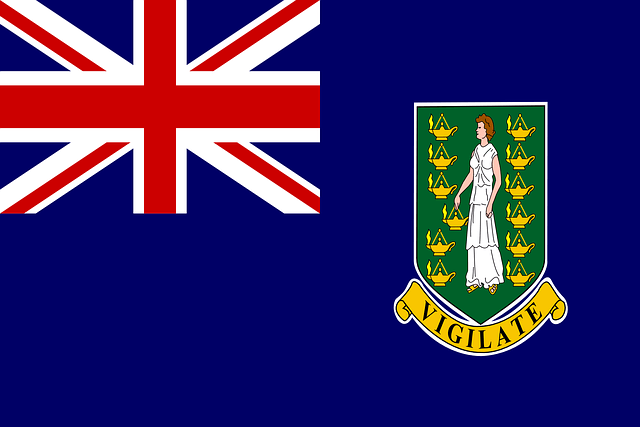
- BVI (British Virgin Islands) – Provides favorable conditions for setting up offshore companies, including zero taxes and access to global markets.
- Nevis – A popular choice for those wishing to buy a ready-to-operate offshore, offering high levels of asset protection from foreign creditors and even unreliable relatives, partners, and states.
- Saint Lucia – Known as the birthplace of the offshore banking sector, considered the best jurisdiction for starting business under favorable conditions, fully compliant with international laws and regulations.
- Isle of Man – Offers the opportunity to establish businesses with high risk, such as gambling or cryptocurrency companies. The island state is characterized by serious asset protection for foreign owners, data confidentiality, low taxes, and a quick company formation or re-registration process.
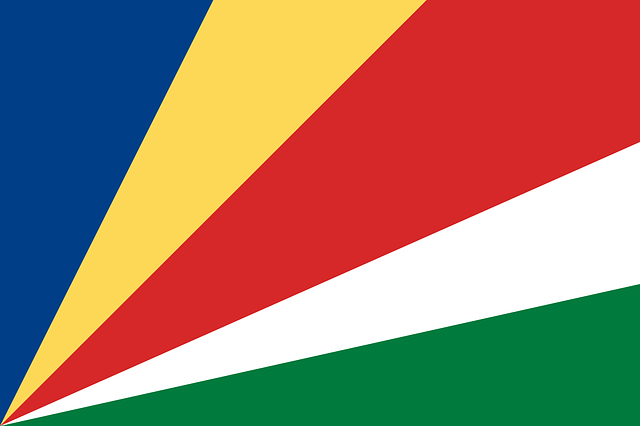
- Seychelles – A popular offshore country welcoming investors from around the world, especially those planning to establish companies on the islands and expand their business globally.
- Marshall Islands – Known for its attractive tax incentives and positive reputation among new companies. Startups can benefit from effective corporate laws and incentives to establish their position among rapidly growing global giants and ensure steady development.
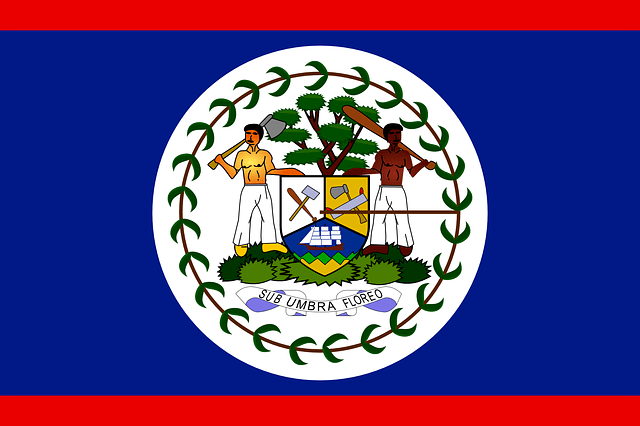
- Belize – An appealing island country for establishing or purchasing offshore trusts, funds, and companies that are not taxed on their worldwide income. Compliance with local legal norms, including business transparency and taxation, is crucial here.
- Saint Vincent and the Grenadines – An offshore jurisdiction offering a unique opportunity to register an international company without corporate tax.
Consider Important Aspects
Before purchasing an offshore company, check:
- History – Including financial statements, accuracy of tax compliance, and legal status. This information can be obtained from a third-party due diligence provider, such as Lawrange.
- Structure – Inquire about the number of shareholders and directors, and whether there is a Charter. Ensure the company’s structure meets your requirements and complies with local legislation.
- Bank Account – If buying an offshore company with a bank account, ensure it is active and has a good reputation with the bank. This ensures quick and easy access to funds when needed. However, it’s important to understand that the bank account will still need to be re-registered in your name, which also requires preparing a set of documents.
Process of Purchasing a Ready-Made Company Offshore
Regardless of the reason for acquiring an offshore company, the process generally looks similar across most jurisdictions. From finding and evaluating a suitable business to closing the deal — Lawrange will guide you through the entire process.
Choosing a Company
Ready-made legal entities may be offered for sale in various options:
- With a minimal documentation package and without a corporate account – Attractive for their simplicity and low cost, but not recommended if you plan long-term ownership or interaction with government agencies.
- With an open corporate account – Characterized by reliability, since the company has successfully passed banking compliance. This option is more expensive than the previous one.
- With a corporate account and necessary license – The most expensive type of company, usually ready for operation, even for specific business activities.
Depending on the background, ready-made legal entities can be:
- New – Created specifically for sale, never previously used in business, filed zero reports. No worries about past issues, but there is a risk of encountering a shell company that cannot open an account.
- Previously Active – Usually used when opening an account with conservative banks that do not trust companies without a history. When considering such ready-made offshore companies, it is important to thoroughly review the company’s entire history and ensure there is no outstanding debt.
Company Verification and Audit
Typically, initial interest in purchasing a business provides general information about it. However, only a comprehensive due diligence process allows access to all financial and legal data, helping make an informed purchase decision.
Order a consultation
It is recommended to pay attention to at least:
- Charter – Should contain all important information about the company (name, legal form, management structure, and their powers).
- Organizational Documents (e.g., founding documents, certificates of good standing, business licenses, etc.) – Must be correctly prepared.
- Tax Declarations for the Previous 3 Years, as well as profit and loss statements for the current year, balance sheets, and cash flow statements.
- Information on Existing Debts (to employees, the state), and check for any liens or encumbrances on the company’s assets.
- Client Lists, whose confidential information is blocked.
- Existing Contracts with Counterparties – Can they be transferred to the new owner?
- Commercial Lease Agreements or other property documents – Ensure that the property belongs to the seller, not third parties.
- Tenants – Rent may increase if the property has tenants.
- Marketing and advertising materials.
- Legal records for ongoing litigation, if any.
Document Preparation and Closing the Deal
If no negative issues are found during the comprehensive check, you can prepare the documents for the sale transaction. The deal is completed on a pre-arranged date when final documents are signed, and funds are transferred.
Please note! At this stage, it is essential to have a lawyer, who will not only help negotiate the purchase but also draft the sales contract. Typically, the buyer is responsible for preparing this document, as they are investing the money and therefore assume more risk.
The deal can be concluded either in person or remotely, provided that all documents specify the option of signing in multiple copies (in case the parties are not physically present to sign the same documents together).
Once the purchase and sale agreement is signed, and the payment is transferred to the seller’s account, the buyer becomes the full owner of the business. The buyer receives a complete set of company documents, including:
- Certificate of Registration
- Memorandum of Association
- Charter
- Fully completed Company Register
- Meeting Minutes
- Certificate of Change of Name (if applicable)
- Licenses (if necessary)
Risks of Buying a Ready-Made Business and How to Minimize Them
Acquiring a ready-made company may not always happen as quickly as desired. The process of transferring ownership documents often takes almost as long as registering a company from scratch. Additionally, the introduction of new key figures may lead to the blocking of the corporate account. Rectifying this situation can also take significant time and effort.
Another common risk buyers face is the presence of outstanding debts, such as executive contracts made by the previous owner, guarantee agreements related to third-party obligations, etc.
The main way to protect against these and other risks associated with purchasing a ready-made company is to conduct thorough due diligence. Experts should perform an in-depth legal review, not only of the company but also of the trading agent. Engaging professionals with the necessary knowledge and experience in business due diligence will significantly reduce various risks and potential issues.
Why Choose Lawrange
Buying an offshore company offers significant advantages, including reduced tax burden, flexible regulation, and access to a reliable financial sector and infrastructure of the foreign jurisdiction. This option is considered convenient and economically advantageous, saving time and money. It allows for a faster and relatively easier business launch.
Since there are various ready-made offshore companies available, there is a risk of encountering serious issues during the purchase. Therefore, it is crucial to seek legal support from Lawrange. Our attorneys and legal experts can assist with:
- selecting the most suitable jurisdiction and reliable seller
- verifying the company’s history, examining its structure, and checking its bank account
- understanding local laws and regulations
- assembling necessary documents
- avoiding mistakes in the sale and purchase transaction, etc.
With professional legal support, purchasing a ready-made offshore company can be an excellent way to establish a presence in a foreign region and achieve your business goals.
FAQ
How long does it take to buy a ready-made offshore?
The timeframe can vary significantly depending on the chosen jurisdiction and the type of company (with or without an account, new or previously active, etc.). For more detailed information, contact our specialists.
How much does a ready-made offshore cost?
The cost of ready-made offshores does not differ much from the prices for registering companies from scratch, with the lowest prices typically found in most island jurisdictions.
Where is the best place to buy an offshore company?
It could be a traditional tax haven, midshore, or onshore – the choice depends on various factors. More reputable are the legal entities registered in offshore jurisdictions that are not on the black or gray lists of international regulators.
ORDER A READY-MADE OFFSHORE
 Telegram bot for quick communication with us