
The creation of a Decentralized Autonomous Organization (DAO) has become an important step for innovative crypto startups, blockchain projects, and digital communities. However, technology alone is not enough for successful implementation. Legal legitimacy and a clear legal structure are needed.
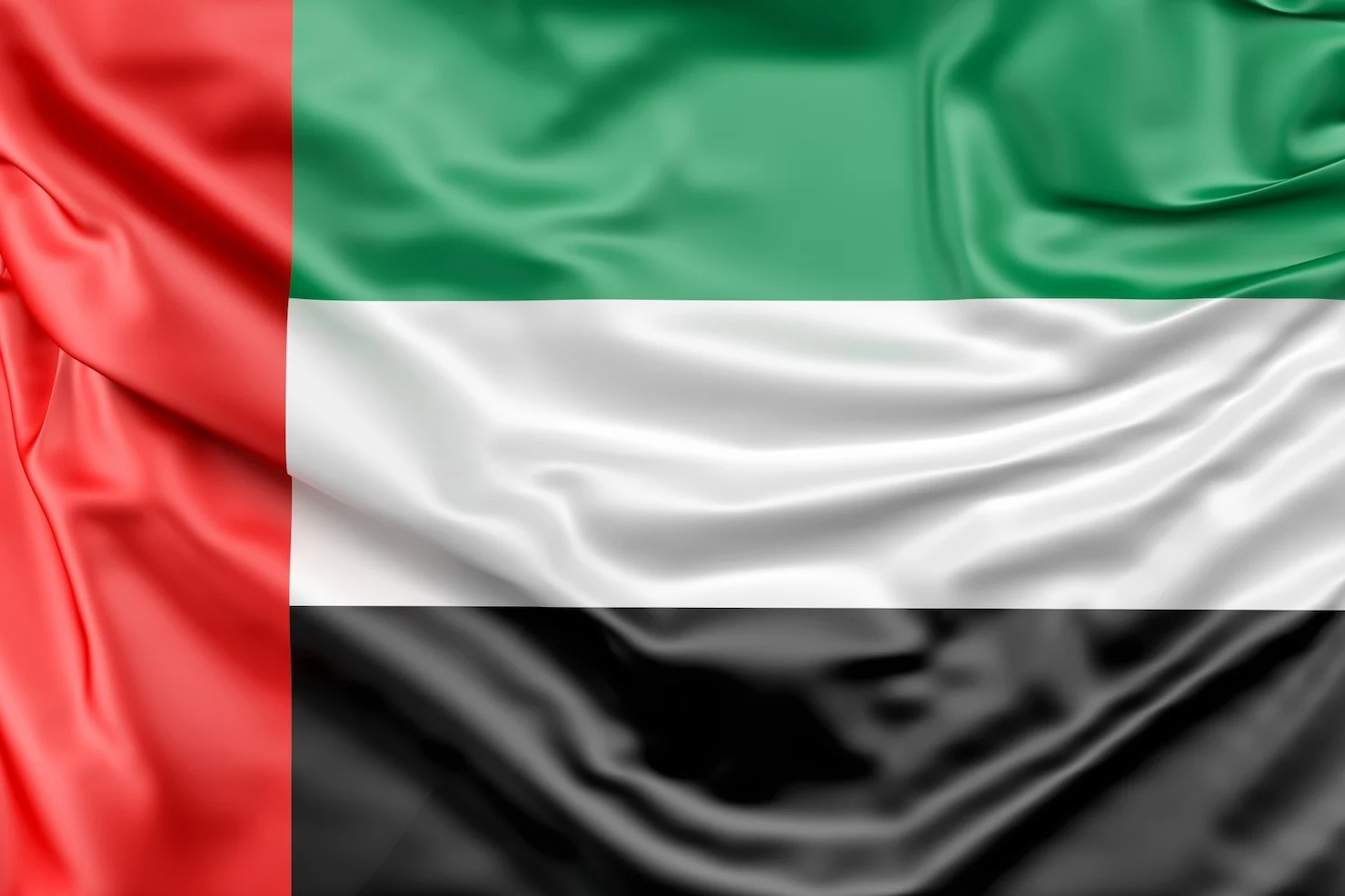
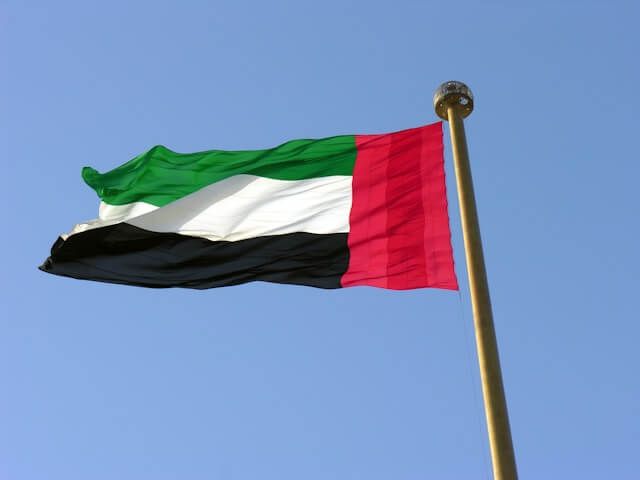
The United Arab Emirates (UAE) confidently holds a leading position on the global stage in the field of innovation adoption. This is precisely why the UAE is becoming one of the key jurisdictions in the world for launching DAOs.
What Is a DAO and Why Register It in the UAE?
A DAO serves as a governance framework driven by smart contracts and supported by blockchain. Its distinctive feature is that decisions are made in a decentralized manner — by voting of participants.
DAOs are used to manage investments, DeFi projects, startups, digital communities, and funds.
Registering a DAO in the UAE provides many practical and strategic advantages. The main reasons:
- Legal legalization. The DAO receives official status and can enter into contracts, issue tokens, and open accounts.
- Investor and partner trust. Creating a decentralized autonomous organization in a recognized jurisdiction boosts the project’s reputation and facilitates entry into the global market.
- Protection of participants. A legal structure eliminates personal liability and streamlines DAO governance.
- Access to the banking system and DeFi (Decentralized Finance). Possibility of opening a corporate account, legal fiat exchange, and working with crypto platforms.
- Compliance with licensing requirements for mandatory financial control measures such as AML (Anti-Money Laundering) and KYC (Know Your Customer). This is necessary, for example, for issuing tokens, interacting with centralized exchanges, and other activities.
Registering a DAO in the UAE also grants the right to participate in governmental and commercial blockchain projects.
Growth Points: How the UAE Became a Jurisdiction for DAO
In recent years, the UAE has taken strategically important steps to become one of the world’s leading jurisdictions for launching and legalizing DAOs. Its path to becoming a hub for decentralized organizations is based on consistent legislative, infrastructural, and technological initiatives.
Key growth points include:
- Legal recognition of digital assets. In 2021, the Abu Dhabi Global Market (ADGM) adopted a regulatory framework for digital assets. This made it possible to formalize DAO operations and enabled the inclusion of smart contracts in founding documents.
- Integration of DAOs into the Smart Dubai strategy. In 2023, as part of the government initiative Smart Dubai, pilot projects were launched to integrate DAOs into municipal, digital, and business services. These steps became part of a broader program to implement a decentralized digital economy based on blockchain, artificial intelligence, and smart contracts.
- Creation of the first specialized free zone. Also in 2023, the Emirate of Ras Al Khaimah introduced the world’s first free zone specifically designed for registering decentralized autonomous organizations (Ras Al Khaimah, RAK). It offers a legal platform for launching DAOs and issuing tokens without the need for founders’ physical presence.
By 2025, the UAE has solidified its status as a key global hub for DAOs.
Advantages of Opening a DAO in the UAE
The Emirates have become one of the most attractive jurisdictions in the world for launching a DAO due to a balanced combination of the following conditions:
- Regulated legal framework for digital assets and DAOs. This ensures legal protection, transparency, and recognition both domestically and internationally.
- Infrastructure for blockchain initiatives. The UAE actively invests in digital transformation and launches initiatives within the Smart Dubai project. The country promotes the implementation of DAOs in both public and private sector services.
- Attractive economic climate. The Emirates offer unique economic conditions for launching and scaling a DAO. These include tax incentives, a developed banking system, ease of capital and token repatriation, and access to investment.
All these factors not only create a favorable environment for the development of decentralized organizations but also allow projects to effectively enter the international Web3 market — the next generation of the Internet.
Legal Features of DAO in the Emirates
The registration of a DAO in the UAE is done through dedicated frameworks that guarantee legal status and limited responsibility for members.
Main features:
1. Legal forms:
- In ADGM, a DAO is registered as a foundation — a non-profit organization with a formalized system of governance and reporting.
- In RAK, a DAO is registered as an association — a more flexible structure with lower capital requirements.
2. Limited liability of participants. DAO participants are protected from personal liability for the organization’s obligations, which reduces risks and increases trust.
3. Compliance with AML/KYC requirements:
- Identity verification of participants (KYC);
- Tracking and reviewing transactions to comply with AML (Anti-Money Laundering) regulations;
- Reporting to regulators (mandatory for token issuance and interaction with financial institutions).
4. Capital and governance requirements:
- An ADGM foundation requires a minimum authorized capital and is suitable for large international projects.
- A RAK association is more flexible and suitable for startups and fast-growing communities.
The choice of structure depends on the DAO’s goals, scale of activity, and governance preferences. This enables proper formation of a legal framework that complies with UAE regulations.
Process of Registering a DAO in the UAE
The formation of a decentralized autonomous organization in the Emirates is a fully transparent procedure that ensures legality and protection of participants’ interests. One of the most popular destinations is the creation of a DAO in Dubai, where leading initiatives in Web3 and the digital economy are concentrated.
Choosing a Free Zone and Analyzing DAO Goals
An important stage is choosing the appropriate free zone, which directly depends on the goals and scale of the project. To do this, the key objectives of the DAO are analyzed (e.g., attracting investment, community development, launching a specific product, etc.).
RAK DAO offers a more flexible and affordable registration model with minimal costs. In this zone, there is no requirement for a physical office. This significantly simplifies the process, especially for international teams and startups focused on rapid scaling. RAK is ideal for small and medium-sized DAOs.
ADGM is more formal and prestigious. It offers the foundation structure with strict governance and reporting requirements, which greatly increases the trust of large investors and corporate partners. ADGM is ideal for DAOs targeting serious investment projects, institutional funding, and long-term development.
The choice of free zone should take into account not only cost and requirements but also the strategic objectives of the DAO. In this way, it is possible to ensure the most effective legal and operational platform for successful growth.
Signing of Founding Documents and Smart Contracts
At this stage, the legal and technical foundations of the DAO’s operations are formalized. All participants confirm their willingness to act within a common set of rules and values.
This stage includes:
- Drafting the DAO Charter – the main document that defines the goals, governance structure, rights and responsibilities of participants, as well as voting principles and resource allocation.
- Signing individual agreements between DAO members. These agreements outline the intentions for cooperation, terms of entry, obligations, and exit procedures from the project.
- Launching key smart contracts that automate governance processes, token distribution, voting, and interaction with the DAO treasury.
If necessary, participants provide information under KYC and AML procedures to comply with regulatory requirements and ensure transparency.
Order a consultation
Obtaining a License and Opening a Corporate Account
This process includes several mandatory steps:
- Application submission. A complete set of documents is prepared and submitted to the selected free zone, including the DAO charter, governance structure, business goals, and information about the beneficiaries.
- Beneficiary verification. KYC identity verification is carried out for all participants and managers (passports, addresses, sources of income), including compliance with AML requirements.
- Obtaining a certificate of registration. After the application is approved, the DAO receives an official document confirming the creation of a legal entity.
- Issuance of a license. Based on the registration certificate, a relevant license is issued (for example, for activities involving digital assets, IT, consulting, or community management). This license allows the DAO to operate legally.
After obtaining the license, it becomes possible to open an account in the UAE.
What Documents Are Required to Launch a DAO in the UAE
A document package must be prepared in accordance with the requirements of the selected free zone and jurisdiction.
This includes:
- Founding documents. These are the DAO charter and internal governance policies, which outline the objectives, structure, participant powers, decision-making procedures, and rights allocation.
- Smart contracts. Code-based agreements that implement mechanisms for voting, treasury management, and token distribution.
- KYC/AML documents. These include identification data of all key participants (passport, address, source of funds), a description of the origin of assets, the business model, and proof of lawful activity.
- Legal address. An address in the selected free zone is provided (e.g., a virtual office in RAK or ADGM). It is used for official correspondence and company registration.
Additionally, proof of IP ownership, tokenomics description, a financial model, or a business plan may be required (e.g., for investment DAOs).
Proper preparation of these documents can significantly speed up the registration process and help avoid rejection by regulatory authorities.
Taxation and Compliance When Registering a DAO in the UAE
The UAE offers some of the most attractive tax conditions for international crypto and blockchain projects.
Specifically:
- 0% corporate tax in RAK and ADGM, provided there is no local business activity.
- No tax on dividends and capital gains.
Despite the tax benefits, DAOs are required to maintain basic reporting:
- submit an annual financial report;
- update information about beneficiaries;
- comply with internal and external AML/KYC policies;
- maintain up-to-date information on the organization’s goals and activities.
Failure to comply with these requirements may result in fines or even suspension of the license.
Thanks to legal registration, a DAO obtains the right to use cryptocurrency wallets, conclude smart contracts, issue tokens, and interact with Web3 platforms without the risk of violating local legislation.
Costs, Timelines, and Guarantees for Opening a DAO
The final cost of setting up a DAO in the UAE depends on the following factors:
- the selected free zone;
- legal structure;
- scope of required services;
- specifics of the project.
The most budget-friendly option is registration in RAK, while ADGM involves more formal requirements and a higher cost threshold.
Timelines generally range from several weeks. They depend on:
- the speed of document preparation;
- completion of the KYC verification process;
- coordination of all legal aspects.
Comprehensive guarantees from Lawrange include full support and representation without the need for your personal presence. This allows you to launch a project in the UAE quickly, reliably, and in compliance with the law.
Legal Assistance from Lawrange
Lawrange provides the following services of a law firm in the UAE:
- Full legal due diligence of the DAO;
- Consulting services for identifying the best structural option in the UAE;
- Drafting of individual charters and internal policies;
- Adaptation of smart contracts to local legal requirements;
- Obtaining a license and opening an account;
- Support with KYC, AML, audit, and tokenization.
By choosing Lawrange, you gain access to extensive experience in crypto law, international registration, and smart contract practice.
Conclusions
The UAE is one of the best jurisdictions for launching a DAO due to its transparent legal system, favorable tax regime, modern infrastructure, and access to professional legal support.
Creating a decentralized autonomous organization in a free zone ensures legal operation, protection of participants’ interests, and provides vast opportunities for further business development.
FAQ
Can a DAO be opened in the UAE without physical presence?
Yes, most free zones allow documents to be submitted remotely in cooperation with agents in the Emirates.
What type of license is required for a DAO in the UAE?
Depending on the selected jurisdiction, the association structure is used in RAK and the foundation structure in ADGM. A license is issued after registration within the free zone.
Can a DAO be used to raise investments (tokens)?
Yes, provided there is an appropriate smart contract and compliance with regulatory requirements, including KYC/AML.
Which zones are recommended if I do not want to register in RAK?
One of the best alternatives is ADGM (Abu Dhabi Global Market), especially for foundation structures.
Is it possible to obtain a residency visa when registering a DAO?
Yes, creating a DAO through an agency in a free zone grants the right to apply for visas for key participants (e.g., directors or managers).
ORDER REGISTRATION OF A DAO IN THE UAE
 Telegram bot for quick communication with us