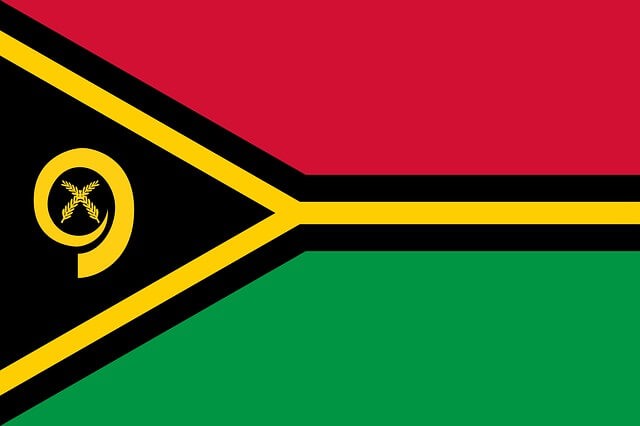
Mauritius has maintained its status as one of the stable financial centers for forex brokers and investment companies operating in the international market for several years. Regulation is carried out by the Financial Services Commission (FSC), which has established a relatively flexible yet structured licensing system.
Against the backdrop of increasingly stringent requirements in traditional onshore jurisdictions, Mauritius continues to serve as a compromise between regulatory reliability and commercial accessibility. As a result, entrepreneur interest in obtaining licenses in this jurisdiction remains strong in 2026.
Planning to start a brokerage business in a reliable jurisdiction? Seek assistance from the lawyers of AA Lawrange. In this article, we will examine the key aspects of obtaining and using a Forex license in Mauritius.
What is a Mauritius Forex License?
A Mauritius Forex License is a general term used to describe a license that allows a company to legally provide Forex market services and engage in activities related to trading financial instruments. Despite the widespread use of this term in business practice, Mauritian legislation does not provide for a separate license under this specific name.
To conduct Forex-related activities, companies obtain an Investment Dealer Licence issued by the FSC Mauritius. This licence is regarded as the primary legal mechanism for establishing and operating a Forex business in Mauritius.
Key Advantages of Obtaining a Forex License in Mauritius
Obtaining a Forex License in this jurisdiction provides brokerage companies with a range of regulatory and commercial advantages. Thanks to its developed financial sector and international status, Mauritius remains one of the most popular destinations for licensing.
The main advantages of obtaining a Mauritius Forex License include:
- Reliable regulation. Supervision of licensed companies is carried out by the Financial Services Commission (FSC), the governmental regulator of Mauritius’ financial sector. Holding an FSC licence enhances the level of trust among clients, banks, and business partners.
- International recognition of the jurisdiction. Mauritius is a recognized international financial center and actively cooperates with organizations involved in financial regulation. This contributes to strengthening the business reputation of licensed companies.
- Favorable tax environment. The corporate income tax rate is 15%. Companies may also benefit from tax incentives and tax credit mechanisms. An additional advantage is Mauritius’ extensive network of double taxation avoidance agreements.
- Access to international markets. Licensed companies may use Mauritius as a platform for providing financial services to clients from various regions around the world. This makes the jurisdiction highly suitable for international business operations.
- Balanced regulatory requirements. Compared to a number of European countries, licensing and business maintenance requirements in Mauritius are more flexible. Therefore, both newly established and existing brokerage companies can obtain a licence.
Thus, a Mauritius Forex Broker License enables companies to operate within a regulated international jurisdiction, with access to a developed financial ecosystem and competitive business conditions.
Regulatory Framework of the Mauritius Forex License
Forex activities in Mauritius are regulated by the FSC, as well as by a comprehensive set of legislative acts and regulatory documents. These establish the licensing procedure, requirements for market participants, and mechanisms of governmental supervision.
- Financial Services Commission (FSC). This is the principal regulator of Mauritius’ non-banking financial sector. The Commission is responsible for licensing, regulation, and supervision of investment dealers, including Forex brokers.
- Financial Services Act 2007. This is the primary law governing the financial sector in Mauritius. The Act defines the powers of the FSC, licensing procedures, and the general principles of financial services regulation.
- Securities Act 2005. This Act establishes the legal framework for the provision of investment services and transactions involving financial instruments. It regulates the activities of Investment Dealers and defines the legal regime applicable to the licensing of Forex companies.
- Securities (Licensing) Rules 2007 and FSC Regulations. These regulations contain additional requirements for licensed companies. They govern licensing procedures, capital requirements, qualifications of key officers, internal control systems, and other operational aspects.
- Financial Intelligence and Anti-Money Laundering Act 2002 (FIAMLA). This Act regulates AML/CFT matters. It establishes the obligations of financial institutions regarding customer due diligence (KYC), transaction monitoring, and compliance with other anti-money laundering and counter-terrorist financing requirements.
The regulatory system of Mauritius provides a clear legal framework for conducting Forex activities within the jurisdiction.
Capabilities Offered by a Mauritius Forex License
A Forex License in Mauritius allows a company to provide a wide range of investment and brokerage services, depending on the category of authorization obtained.
Permitted activities include:
- execution of client orders for the purchase and sale of financial instruments;
- intermediation in transactions involving currencies, securities, and derivative financial instruments;
- trading in financial instruments in the company’s own name and for its own account;
- providing access to trading platforms for operations in the Forex market and other financial markets;
- provision of investment advisory services;
- management of clients’ investment portfolios;
- conducting transactions involving currency pairs, CFDs, shares, bonds, indices, commodities, and other investment instruments;
- underwriting and placement of securities;
- custody and administration of clients’ investment assets.
We would like to draw your attention once again to the fact that the scope of powers depends on the type of Investment Dealer Licence obtained. To select the type of licence that best meets your needs, it is advisable to seek legal advice before applying.
Types of Forex Licenses in Mauritius
The legislation provides for several types of Mauritius Forex Licenses. Each differs in the scope of permitted activities.
Full Service Dealer (with underwriting)
This licence provides the broadest range of powers. In addition to brokerage and investment services, the company is authorized to conduct underwriting activities and participate in the placement of securities on behalf of issuers.
It is suitable for large financial institutions that plan to provide comprehensive investment services and operate in the capital markets.
Full Service Dealer (without underwriting)
This type of licence allows the provision of a full range of brokerage and investment services. However, it does not grant the right to conduct underwriting activities or organize securities placements.
This option is often chosen by Forex brokers and investment companies whose activities are not related to the issuance or placement of financial instruments.
Broker Licence
A Mauritius Forex Broker Licence is intended for companies acting as intermediaries between clients and the market. The broker executes client orders and facilitates transactions involving financial instruments but does not trade in its own name.
This licence category is suitable for companies focused on the traditional brokerage business model.
Discount Broker Licence
This licence is intended for companies that provide order execution services without offering investment advice or additional services typically associated with full-service brokers.
It is most commonly used by companies operating through electronic trading platforms and providing clients with direct access to financial markets.
The choice of a specific licence type depends on the company’s business model, the range of planned services, and the target client base.
Requirements for Obtaining a Forex License in Mauritius
To obtain a Forex License in this jurisdiction, an applicant must comply with a number of corporate, financial, and organizational requirements established by FSC Mauritius and applicable legislation.
Order a consultation
| Requirement | Description |
| Company Registration | The licence applicant must register a legal entity in Mauritius in accordance with applicable legislation. |
| Minimum Capital | The company must demonstrate paid-up share capital ranging from MUR 700,000 (approximately USD 15,000) to MUR 10,000,000 (approximately USD 220,000), depending on the licence category. |
| Local Management | The company structure must include at least two resident directors of Mauritius. |
| Business Reputation and Qualifications | Shareholders, directors, and key officers must possess sufficient experience and meet FSC requirements regarding professional competence and good standing. |
| Physical Presence in Mauritius | The company must maintain a registered office and an actual presence within Mauritius. |
| Appointment of Key Personnel | Responsible officers must be appointed to perform compliance, AML/CFT, and financial accounting functions. |
| Business Plan | The licensing package must include a detailed business plan describing the business model, target markets, risk management structure, and financial projections. |
| AML/CFT Policies | The company must develop and implement internal anti-money laundering and counter-terrorist financing procedures in accordance with FIAMLA and FSC regulations. |
| Banking Arrangements | Corporate banking services must be established through a business bank account for operational activities. |
| Corporate Governance | The company must comply with corporate governance requirements, including holding board meetings and making key management decisions in Mauritius. |
| Reporting and Audit | After obtaining the licence, the company must maintain accounting records, prepare financial statements, and undergo mandatory audits. |
Obtaining a Forex License in Mauritius requires full compliance with FSC requirements. Need assistance to avoid mistakes? The lawyers of AA Lawrange are ready to help at every stage of the licensing process.
Substance Requirements in Mauritius
The physical presence of a company in Mauritius is one of the key conditions for obtaining and maintaining a Forex licence. Therefore, substance requirements deserve separate consideration.
The main requirements include:
- Local office. The company must maintain a registered and operational office in Mauritius for conducting business activities and storing corporate documentation.
- Appointment of resident directors. The management structure must include at least two resident directors of Mauritius. They participate in making key management decisions and are responsible for the company’s activities.
- Local employees. The licensed company must employ a sufficient number of qualified personnel to perform its functions. Depending on the business model, this may include compliance officers, AML/CFT specialists, accountants, and other professionals.
- Board Meetings Held in Mauritius. Key corporate decisions must be made within Mauritius. To achieve this, the company is required to hold regular board meetings with proper documentary records.
- Operational expenses in the jurisdiction. The company must incur genuine business expenses related to operating in Mauritius, including office maintenance, employee salaries, and administrative support services.
The regulator pays particular attention to ensuring that licensed companies conduct real business activities within the jurisdiction rather than using Mauritius solely as a place of registration. Therefore, compliance with substance requirements is an important obligation for holders of a Mauritius Forex License.
Process of Obtaining a Mauritius Forex License
Obtaining a Forex License in Mauritius is a step-by-step procedure. It includes corporate preparation, compilation of the regulatory documentation package, and review by the FSC. Despite the flexibility of the jurisdiction, the process requires strict compliance with formal requirements.
Company Incorporation
The first step is opening a company in Mauritius. The most commonly used structure is a Private Company Limited by Shares, which is authorized to conduct regulated financial activities.
At this stage, the company structure is determined, shares are allocated, the initial board of directors is appointed, and a registered office within the jurisdiction is selected. Corporate registration is carried out through the Corporate and Business Registration Department (CBRD).
Preparation of Required Documents
After the company registration, a complete package of documents for submission to the FSC is prepared. This is one of the most labor-intensive stages of the procedure.
At this stage, a comprehensive picture of the company’s future activities is developed, including the business model, risk management system, compliance and AML/CFT approaches, and the structure of operational processes.
The FSC pays particular attention to the transparency of the ownership structure and the origin of funds used to finance the company.
Appointment of Directors and Key Compliance Officers
One of the mandatory requirements is the establishment of the company’s management and compliance structure.
In particular, it is necessary to appoint:
- at least two resident directors of Mauritius;
- a Compliance Officer responsible for ensuring compliance with regulatory requirements;
- an AML/CFT Officer responsible for financial monitoring;
- where necessary, a Risk Officer and an Internal Auditor.
Key officers must satisfy the FSC’s fit and proper requirements. These include relevant experience in the financial sector and an impeccable business reputation.
Submission of Application to the FSC
After completing all previous steps, the company may submit an application to the Financial Services Commission. The regulator must be provided with:
- completed regulatory forms;
- a package of corporate and financial documents;
- proof of payment of registration fees;
- information on beneficial owners.
The FSC accepts an application for review only if it is complete. Therefore, a preliminary legal review of the document package is critically important.
Regulatory Review and Due Diligence
During the review stage, the FSC conducts a comprehensive assessment of the applicant and all related parties.
The procedure includes:
- verification of the source of capital;
- analysis of the ownership structure;
- verification that directors and shareholders meet fit and proper requirements;
- assessment of the business model and associated risks;
- analysis of AML/CFT policies and procedures.
The regulator may request additional documents and explanations. In some cases, interviews with key officers are conducted.
Opening a Corporate Bank Account
In parallel with the regulatory review, the company undergoes the procedure of opening an account for a Forex company. This is a separate and important due diligence stage conducted by banks, which includes:
- review of the business model;
- assessment of client geography;
- analysis of the sources of incoming funds;
- review of compliance policies.
Without a corporate bank account, it is impossible to fully commence operational activities.
License Approval and Issuance
After the successful completion of the review, the FSC makes a decision to issue the appropriate type of Forex License Mauritius. At the final stage:
- government fees for licence issuance are paid;
- the company confirms its readiness to commence operations;
- the regulator enters the company into the official register of licensed entities.
Order a consultation
From this moment, the company obtains the legal right to provide Forex and investment services within the scope of its licence. A mandatory condition is ongoing compliance with regulatory requirements, including reporting, audits, and maintaining economic substance in Mauritius.
Required Documents for a Mauritius Forex License
To obtain a Forex License, the applicant must provide the FSC with a package of documents confirming the company’s legal status, ownership structure, financial stability, and readiness to comply with regulatory requirements.
As a rule, the licensing package includes:
- corporate documents of the company;
- information on shareholders, beneficial owners, and directors;
- documents confirming the source of funds;
- a business plan;
- financial projections;
- internal AML/CFT and compliance policies;
- information regarding the corporate governance and risk management system;
- documents confirming the existence of an office and economic substance in Mauritius.
Depending on the licence category and the specifics of the business, the FSC may request additional information or clarifications as part of the due diligence process.
High-quality preparation of the licensing package helps reduce the number of requests from the regulator and increases the efficiency of the licensing procedure. Therefore, it is advisable to seek the support of experienced legal professionals.
Banking and Payment Infrastructure for Forex Companies
Mauritius provides Forex companies with a stable financial ecosystem. Unlike unregulated offshore zones, it offers full access to international banking services and modern fintech solutions.
Banking Sector
Companies holding a Mauritius Forex License may open corporate and specialized accounts with leading local and international banks. These include the largest banks in the jurisdiction, such as The Mauritius Commercial Bank (MCB) and SBM Bank.
The key advantage is that Mauritian banks open segregated accounts for the separate holding of broker and client funds, as this is a mandatory requirement imposed by the regulator.
Payment Gateways and Fintech (PSPs)
To facilitate fast deposits and withdrawals, Mauritius offers merchant accounts, the MauCAS system (the Central Bank’s national payment network), and regional corridors providing direct connectivity to payment systems in Asia and Africa.
To successfully complete compliance procedures and open an account, a broker must demonstrate genuine economic substance in Mauritius and a transparent source of funds.
Taxation Framework for Brokerage Firms in Mauritius
Mauritius offers one of the most competitive and transparent tax systems among regulated financial centers.
| Type of Tax | Rate | Possible Benefits and Features |
| Corporate Income Tax | 15% | Subject to compliance with substance requirements, Forex brokers may benefit from an 80% partial tax exemption. As a result, the effective tax rate may be reduced to 3%. |
| Capital Gains Tax | 0% | Profits from the sale of securities, ownership interests, and other assets are not subject to taxation. |
| Withholding Tax on Dividends | 0% | Dividends paid to non-residents are not subject to withholding tax. |
| Withholding Tax on Interest | 0% | In certain cases, interest paid to non-residents may be exempt from taxation. |
| Double Taxation Agreements | + | Extensive network of international tax treaties. |
| VAT | 15% | Many financial services may be exempt from VAT or subject to special rules. |
| Social Contribution | 2% | Calculated based on taxable profits. |
| Tax Reporting and Audit | Mandatory | Companies are required to maintain accounting records, file tax returns, and undergo audits. |
The tax regime for Forex companies is administered by the Mauritius Revenue Authority and fully complies with international standards.
Costs of Obtaining a Mauritius Forex License
The cost of obtaining a Forex License in Mauritius is determined individually and depends on several factors:
- Type of licence. The amount of government fees depends on the scope of rights granted to the broker.
- Minimum share capital requirements. The amount that must be deposited in a local bank account before the licence is issued is linked to the type of activity. It ranges from MUR 700,000 to MUR 10,000,000.
- Establishment of mandatory local presence. This includes expenses related to maintaining local personnel and a physical office.
- Banking services and payment infrastructure. Costs include due diligence procedures, bank account opening fees, and charges for cross-border transactions.
- Legal, audit and technical support. This is an additional category of expenses. However, it ultimately helps save costs associated with potential regulatory penalties.
In addition, the company should consider ongoing costs related to maintaining the licence. Therefore, to obtain a clear understanding of the required budget, it is advisable to involve a specialist in the planning process.
Mauritius Forex License vs Other Jurisdictions (Comparison)
The choice of jurisdiction for obtaining a Forex licence depends on many factors. Below is a general comparison between Mauritius and other popular jurisdictions for Forex company licensing.
| Criterion | Mauritius Forex License | Other Jurisdictions |
| Regulatory Reputation | Mauritius Forex License | Other Jurisdictions |
| Regulatory Reputation | Regulated by FSC Mauritius, a recognized international financial regulator. | The level of recognition depends on the specific jurisdiction and the status of the local regulator. |
| Licensing Requirements | Balanced requirements regarding capital, corporate structure, and compliance. | Requirements may range from simplified to highly stringent depending on the country. |
| Tax Environment | Competitive tax regime with access to incentives and international treaties. | Tax burdens vary significantly between jurisdictions. |
| Banking Infrastructure | Developed banking sector and access to international payment solutions. | In some jurisdictions, opening bank accounts may be more difficult. |
| Economic Substance Requirements | Real presence and local management are required. | The scope of requirements depends on the legislation of the specific country. |
It can be concluded that Mauritius occupies an intermediate position between highly regulated financial centers and traditional offshore jurisdictions.
Challenges and Risks of a Mauritius Forex License
Despite its numerous advantages, obtaining and using a Mauritius Forex License is associated with a number of aspects that should be considered at the business planning stage.
The main risks and challenges include:
- the need to comply with economic substance requirements in Mauritius;
- ongoing compliance with the regulator’s requirements regarding reporting, audits, and compliance procedures;
- undergoing strict AML/CFT reviews conducted by banks and payment service providers;
- additional costs associated with maintaining the licence and corporate structure.
Most of these challenges can be minimized with proper legal support. Contact AA Lawrange to ensure your Forex business launch is successful.
Ongoing Compliance and Reporting Requirements
Obtaining a Mauritius Forex License is only the first stage of operating a Forex company. To maintain the status of a licensed market participant, it is necessary to continuously comply with the requirements of the FSC and applicable legislation.
The main obligations of licensed companies include:
- maintaining accounting records and preparing financial statements;
- undergoing mandatory audits;
- complying with AML/CFT and KYC requirements;
- maintaining an adequate system of internal controls and risk management;
- notifying the regulator of any material changes in the company’s structure or activities;
- complying with economic substance requirements within the jurisdiction.
Failure to comply with these requirements may result in sanctions imposed by the FSC, including fines, restrictions on activities, and even licence revocation. Therefore, compliance and corporate governance issues require continuous attention throughout the company’s operations, preferably with the support of qualified legal professionals.
Order a consultation
Why You Should Choose Lawrange
Obtaining a Mauritius Forex License is a multi-stage regulatory process. It requires the proper preparation of the corporate structure, documentation, compliance policies, and interaction with the FSC regulator. Mistakes at any stage may lead to delays or refusal of licensing.
That is why professional legal support is an essential requirement. By engaging AA Lawrange, you will receive:
- 10+ years of experience that we are ready to apply to your case.
- Expertise in international business and, in particular, the Forex industry.
- Comprehensive support at all stages, including post-launch assistance.
- An individual approach to each client based on their specific needs.
Book an initial consultation today so that tomorrow you do not have to worry about issues with the FSC, banks, and counterparties.
Conclusion
A Mauritius Forex License is a highly sought-after instrument for launching and developing an international Forex business. The jurisdiction combines a regulated financial environment, access to international markets, and relatively flexible licensing requirements.
At the same time, the successful acquisition and maintenance of a licence require careful compliance with FSC requirements, the establishment of economic substance, and a well-structured corporate governance and compliance system. Engage the support of Lawrange lawyers to start and operate your business without complications.
FAQ
How long does the licensing process take?
The timeframe for obtaining a licence depends on the company’s level of preparedness, the completeness of the documentation, and the speed of the FSC review process. On average, the procedure takes several months and may be extended if the regulator requests additional information.
What is the minimum capital requirement?
The minimum capital requirement depends on the type of Investment Dealer Licence. The requirements vary according to the scale and nature of the proposed activities.
Can foreigners own a Mauritius Forex company?
Yes, foreign investors may own a company applying for a Mauritius Forex License. However, it is important to comply with management structure requirements, including the appointment of local directors and the establishment of economic substance in Mauritius.
Is Mauritius suitable for Forex brokers in 2026?
Mauritius continues to maintain its status as an attractive jurisdiction for Forex brokers due to its regulated financial system, access to international markets, and balanced licensing conditions.
ORDER A CONSULTATION
 Channel with ready-made companies for sale